Medina Marrakech : Why 10 Travelers Love This Quarter
Medina Marrakech is where excitement meets tradition—a place that stirs both nervousness and wonder in first-time visitors. Have you felt that flutter in your stomach imagining yourself getting lost in narrow alleyways? Many travelers experience this mix of emotions before their first encounter with the historic heart of this Moroccan destination.
What if I told you that initial apprehension often transforms into the most memorable travel experiences? The ancient quarter, surrounded by distinctive pink walls stretching 19 kilometers, holds a secret that captivates visitors. This isn’t just a tourist attraction—it’s a living community where 200,000 residents go about their daily lives.
Founded nearly a thousand years ago, this UNESCO World Heritage Site represents more than history. It embodies a vibrant culture that continues to thrive. The old city challenges you to slow down and embrace a different pace. You learn to navigate not just physically, but emotionally.
This guide will show you how to move beyond surface-level tourism. You’ll discover how to find authentic encounters and create meaningful connections. The time you spend here can change your perspective on travel forever.
Key Takeaways
- The historic quarter transforms initial travel anxiety into unforgettable memories
- Ancient pink walls enclose a living community of 200,000 residents
- Proper preparation helps you navigate crowded areas confidently
- UNESCO World Heritage status reflects the area’s cultural significance
- Real traveler experiences show how perspectives change after proper exploration
- Embracing the atmosphere leads to more authentic encounters
- The area offers both famous landmarks and hidden corners worth discovering
Overview of the Medina Marrakech Experience
The moment you pass through the iconic walls, you’re transported into a world where time moves at its own deliberate pace. This historic district offers an immersion like no other.
A Brief History and Cultural Significance
This ancient quarter was built around 1070 AD by the Almoravid dynasty. The distinctive red walls were constructed in 1122-1123, creating a unified urban space that has endured for nearly 900 years.
From above, the layout resembles a human honeycomb. Traditional riads with peaceful inner courtyards create quiet places amid the bustling streets.
The Vibrant Atmosphere of the Old City
Within walls that have witnessed centuries of history, you’ll discover a living community. The rhythm of life here follows ancient patterns.
Each day brings new discoveries. The energy shifts from quiet mornings to vibrant evenings in the main squares.
This urban city center maintains its commercial legacy while preserving intangible cultural heritage. You’re walking through living history.
Preparing for Your Medina Marrakech Adventure
Proper preparation transforms your journey from overwhelming to unforgettable. Getting ready means more than packing bags—it’s about mindset and practical planning.
Mental, Physical, and Digital Readiness
Adopt the local relaxed attitude. When donkey carts cause traffic jams, locals wait patiently. Use the “contented idiot” technique with pushy vendors: smile and pretend not to understand.
Charge your pedometer for 30,000 daily steps. Wear comfortable clothes and sandals. Women should cover knees and shoulders. Carry enough local currency since credit cards are rarely accepted.
Buy a SIM card for 30dh plus 10dh per gigabyte. Download offline Google Maps before you go. This guide recommends these tips for confident navigation.
Choosing the Right Stay and Guide
Select accommodations in Bab Doukkala. This area offers calm vibes near major attractions. Consider Riad Tereza or Rodamon Riad hostel for authentic comfort.
Book airport pickup for €15 to avoid luggage hassles. For your first day, hire a professional tour guide through Airbnb Experiences. This avoids pushy sellers.
Exchange money at Ali Hotel on Jemaa El Fnaa for good rates. Be prepared for cigarette smoke in restaurants and café patios. Plan your time wisely.
Navigating the Labyrinth of Medina Streets
As you step into the network of narrow streets, you quickly realize that getting lost is part of the authentic experience. The winding alleyways challenge your navigation skills while rewarding you with unexpected discoveries.
Essential Walkthrough and Mapping Tips
Timing your exploration makes all the difference. Twilight hours offer the perfect light when foot traffic decreases and colors appear deepest. The atmosphere becomes cinematic during these golden hours.
Many travelers recommend an intentional wandering approach. Go mapless for an hour until completely disoriented, then use your phone to navigate back. This technique transforms the maze-like layout from intimidating to thrilling.
Avoiding Common Pitfalls
Despite the apparent chaos, these streets are remarkably safe. Motorcycles present the main annoyance, but they rarely hit pedestrians. Stay to the right side when walking to avoid them comfortably.
You’ll discover that getting lost leads to the most magical moments. Quiet residential areas away from main tourist streets reveal authentic atmosphere. The covered passageways create unforgettable photographic opportunities with filtered .
Follow these simple tips for confident navigation. Use visible landmarks for orientation and trust that locals will help if needed. The medina‘s design ensures you’re never truly far from familiar spots.
Exploring medina marrakech Landmarks
Discovering the significant landmarks transforms your understanding of this UNESCO World Heritage Site’s importance. These architectural treasures reveal centuries of cultural evolution.
Histic Mosques and Souks
The Ben Youssef complex offers profound insights. The medersa opens daily from 9am to 8pm with a 50 DH entrance fee.
This architectural masterpiece features intricate stucco work and peaceful courtyards. The adjacent mosque remains one of the oldest spiritual centers.
Nearby, the souks present Morocco’s largest market network. You’ll find authentic crafts among the commercial things. El Badi Palace provides striking contrast with its 16th-century ruins.
Iconic Squares like Jemaa el-Fnaa
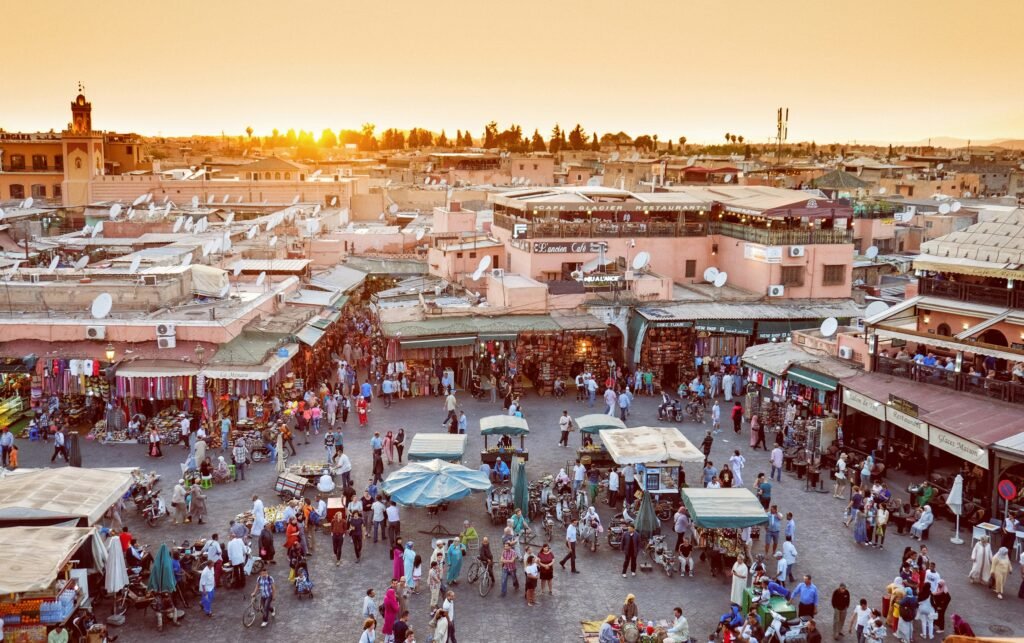
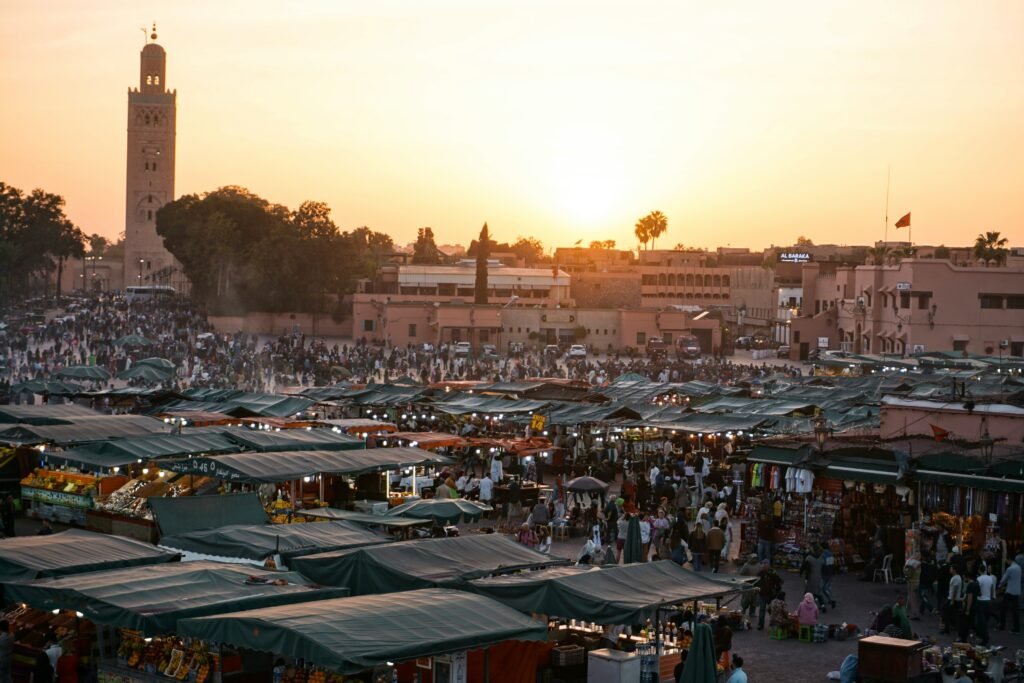
Jemaa el-Fnaa serves as the vibrant heart of the old city. This legendary square buzzes with energy, especially at night.
The atmosphere combines food stalls, entertainers, and rich cultural exchanges. Despite the apparent chaos, this place embodies authentic local life.
From here, the sprawling souks extend in all directions. El Badi Palace stands as another essential visit with its 100 DH fee.
The Ben Youssef complex and Jemaa el-Fnaa create perfect bookends for exploration within walls that have witnessed centuries of history.
Savoring Marrakech Cuisine and Street Food
Your taste buds are about to embark on an adventure as authentic as the winding streets themselves. The local food culture offers incredible diversity from sunrise to sunset.
Must-Try Local Dishes and Mint Tea Rituals
You’ll discover that mint tea defines the rhythm of daily life. Served from dawn till dusk, this sweet beverage involves a fascinating pouring ritual.
The traditional method has Berber desert origins. Servers pour from impressive heights to create foam, originally to remove sand particles. Now it’s a sign of respect.
For authentic food experiences, seek out Rahba Kedima Bessara Soup. At just 5 dirhams, this fava bean breakfast delight draws locals to morning stalls.
Street Food Favorites: From Magic Bread to Omelet Sandwiches
Khalid’s Omelet offers incredible value at 10 dirhams. This flavorful khobz bread stuffed with egg, potato, and spices provides perfect morning fuel.
The iconic Magic Bread lives up to its name. For 12 dirhams, the deluxe version features grilled meats, cheese, and fried egg in round khobz bread.
Avocado smoothies (jus d’avocat) cost 5-20 dirhams. Made with milk, avocado, and dates, they’re refreshing any time of day.
| Food Item | Price | Description | Best Time |
|---|---|---|---|
| Khalid’s Omelet | 10 DH | Khobz bread with egg, potato, olive, cheese | Breakfast |
| Magic Bread (deluxe) | 12 DH | Grilled meats, spices, cheese, fried egg | Lunch |
| Bessara Soup | 5 DH | Fava beans with olive oil, traditional bread | Morning |
| Avocado Smoothie | 5-20 DH | Milk, avocado, dates or nuts | Anytime |
For coffee enthusiasts, Bacha Coffee inside Dar El Bacha Palace offers extravagant options from 80 countries. Prices start at 40 dirhams per cup.
Sit-down restaurants provide variety beyond street food. Snack Grand Atlas specializes in seafood, while Café Clock serves shareable camel burgers.
“The mint tea ritual is more than a drink—it’s a window into Moroccan hospitality and tradition.”
Remember to tip 10% at sit-down establishments. Most places serve similar basic tagines, couscous, and khobz bread with limited coffee options.
Immersive Cultural and Social Experiences
Elevating your perspective above the bustling streets reveals a different dimension of this historic quarter. You’ll discover that cultural immersion happens both above the chaos and within traditional spaces.
Engaging with Rooftop Cafés and Local Vendors
Rooftop cafés offer essential respite from the energy below. These elevated spots provide perfect vantage points to observe daily life while sipping mint tea.
The House of Photography rooftop combines culture with relaxation. It’s one of the best photo spots after viewing vintage collections documenting Moroccan life.
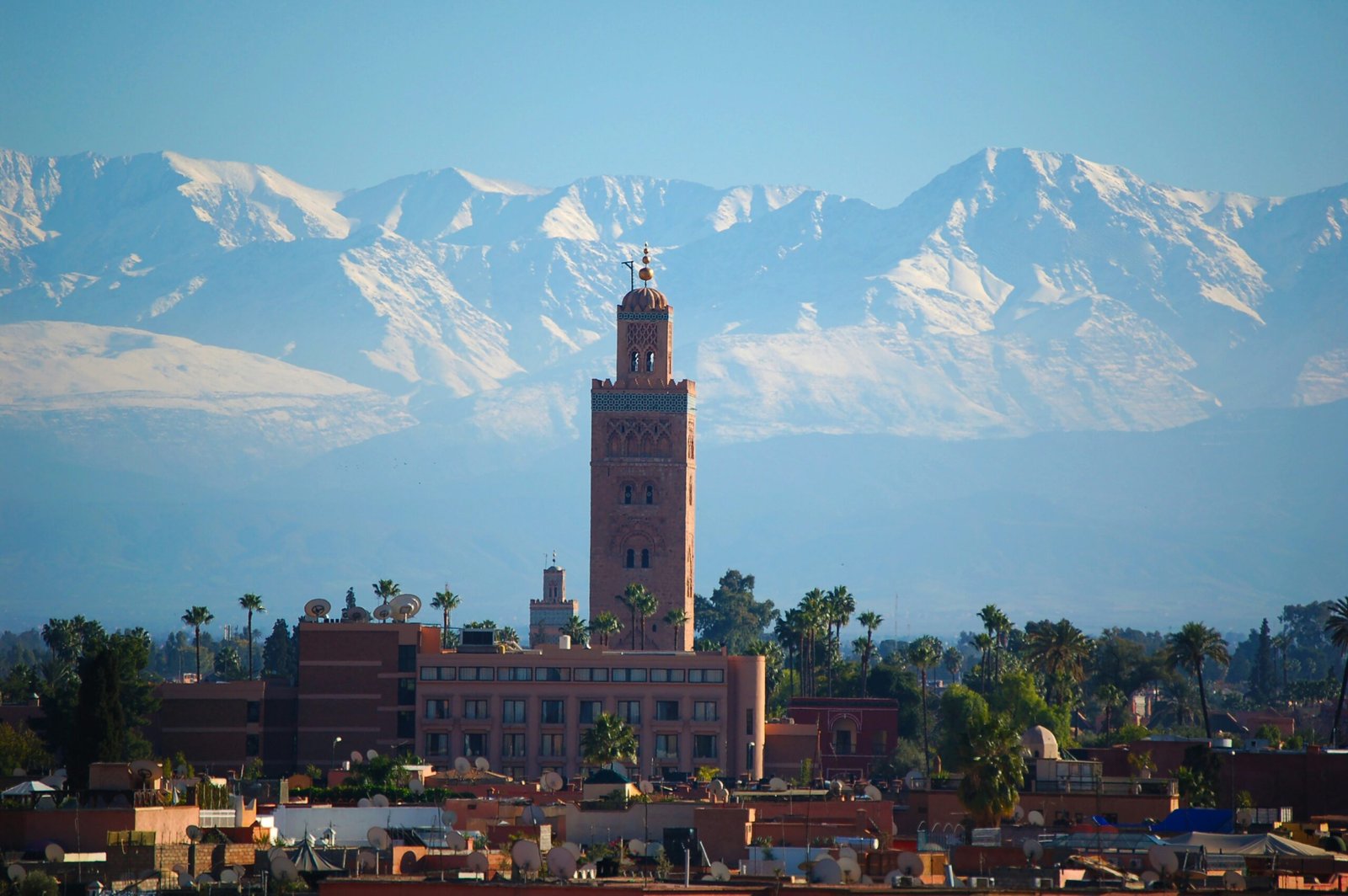
Dardar Rooftop, El Fenn Rooftop Bar, and MK Rooftop offer privileged Koutoubia views. Select your rooftop space carefully, even though many operate as tourist traps.
MÖ-MÖ Restaurant provides legitimate dining experiences above the street-level intensity. You’ll engage with local vendors beyond simple transactions, observing craftsmanship techniques that define commerce for centuries.
The Realities of Hammam and Spa Traditions
The authentic hammam experience at Hammam Mouassine immerses you in centuries-old traditions. For 150dh, you receive a 45-minute scrub plus optional 30-minute massage for 100dh.
You’ll navigate three temperature rooms following silent attendants’ hand signals. The process involves thorough scrubbing and alternating hot/cold water dousings.
Practical realities include lying on yoga mats atop cement floors. This authentic experience contrasts sharply with spa-like hammams catering to tourists seeking more comfortable spaces.
Uncovering Hidden Gems Beyond the Obvious
Hidden treasures await those willing to explore beyond the obvious tourist routes. The real magic happens when you step away from the main thoroughfares.
You’ll discover authentic artisan workshops in quiet corners. These spots reveal the living heritage that makes this place special.
Secret Corners and Artisan Boutiques
Place des Épices serves as your gateway to discovery. This charming open space features aromatic spice sellers and cozy cafes.
Just off the square, Khalidoun Art represents one of many hidden shops. The path through Souk Cherifia leads to quieter corners with authentic crafts.
You’ll find Riad Yima Boutique & Art Gallery down a quiet alley. This colorful space showcases contemporary Moroccan creativity with free entry.
From Place des Épices, follow signs to discover this artistic treasure. The search itself becomes part of the adventure.
Le Jardin Secret offers peaceful courtyards with beautiful light. The Islamic and exotic gardens provide respite from the bustling souks.
Cultural spots like Fondation Dar Bellarj reveal deeper stories. The Moroccan Culinary Arts Museum celebrates food heritage in a unique space.
These hidden places reward curious explorers with authentic experiences. You’ll uncover the true character of this historic quarter.
Practical Tips for a Smooth Medina Trip
Smart planning can transform your visit from chaotic to perfectly paced. The right approach helps you navigate the ancient streets with confidence.
Safety, Navigation, and Budgeting Tips
Master your budget by understanding entrance fee structures. Key attractions range from 50 DH to 100 DH. Free options include beautiful gardens and market browsing.
For navigation, use offline maps and recognize landmarks. Getting intentionally lost is safe. Most paths lead back to familiar spots even though the layout seems complex.
Time your visits wisely. Avoid El Badi Palace in summer afternoons due to intense heat. Arrive early at popular spots to beat crowds. Check recent photos and reviews before visiting sites under renovation.
Safety is generally good, but watch for photo scams. Street performers may demand payment after you take pictures. Stay alert for motorcycles in narrow alleys.
For authentic souvenirs, consider Anou cooperative. This Moroccan-owned platform connects you directly with artisans. It’s perfect if you pack light but want meaningful things.
Dress nicely for upscale places like La Mamounia. Guards may refuse entry otherwise. Arrive early at Bacha Coffee during busy seasons to avoid long lines.
Trust your judgment on tap water and food safety. Some travelers have no issues, while others do. Proper vendor selection is key to avoiding problems.
Extended Explorations Outside the Medina Walls
Your exploration doesn’t end at the historic boundaries—modern neighborhoods await discovery. Venturing beyond reveals a completely different side of this vibrant city.
Discovering Gueliz, Majorelle Gardens, and More
The Majorelle gardens open at 8am, so arrive early to beat the crowds. This botanical sanctuary, renovated by Yves Saint Laurent, offers stunning photo opportunities.
Balance your garden visits between famous spots and hidden gems. The Secret Garden costs 50dh, while Cyber Park and Koutoubia gardens offer free access.
Dar Bacha Palace houses both a museum and luxurious Bacha coffee. The entrance fee is 10dh for the café or 50dh for the full tour.
Specialized museum experiences include the House of Photography and Musée du Parfum. These places provide unique cultural insights beyond typical tourist attractions.
Your extended tour should include Gueliz neighborhood. Visit Amal restaurant with advance reservation, then walk back through this modern area.
Capture contrasting photos that show both ancient and contemporary aspects. The variety of places outside the walls completes your understanding of this layered destination.
Embracing the Medina Lifestyle
Beyond the famous landmarks lies the real heartbeat of this historic district—the daily routines of its residents. You’ll discover that the true magic unfolds when you step into the rhythm of local existence.
Diving into Local Traditions and Daily Life
You’ll quickly notice the relaxed pace of life here. Locals demonstrate incredible patience during donkey cart traffic jams and saunter casually through busy streets. This “no worries” mentality transforms your experience from stressful to enjoyable.
Each day follows distinct rhythms. Mornings begin quietly as most establishments remain closed. The souks come alive midday with organized craft sections. Afternoons bring peaceful tea times, while evenings create magical atmosphere on residential streets.
Traditional food preparation methods remain unchanged for generations. You’ll witness the mint tea ritual where servers pour from impressive heights. They add enormous amounts of sugar in a tradition dating back centuries.
In neighborhoods like Bab Doukkala, the residential character shines through. About 200,000 people call this medina home. They live in traditional riads with peaceful inner courtyards, creating authentic cinematic moments.
Your photos will capture more than landmarks. Focus on daily interactions, craftspeople at work, and genuine moments that reveal this living community. These images will tell the real story of this remarkable place.
Conclusion
What began as a maze of uncertainty has likely become a tapestry of unforgettable memories and personal growth. Your journey through the marrakech medina transforms initial apprehension into genuine appreciation for this remarkable old city.
You now understand how to navigate both the physical labyrinth and cultural nuances. The many things to see—from UNESCO landmarks to hidden gems—reveal the full spectrum of experiences available. You’ve learned to spend your time wisely across different places.
The practical strategies for budgeting, timing visits, and engaging authentically ensure smooth exploration. You’re prepared to balance iconic sights with spontaneous discoveries during magical twilight hours.
This comprehensive guide has equipped you to create your own meaningful connection with the historic quarter. The confidence gained allows you to embrace its unique character rather than resist it. Your transformed perspective will likely remain long after you depart.
FAQ
What is the best time of day to explore the souks?
Mornings are ideal for a more peaceful experience before the crowds arrive. The light is beautiful for photos, and you can enjoy a quiet coffee or mint tea on a rooftop. Late afternoon is also great for witnessing the city come alive as the heat subsides.
Is it easy to get lost within the walls of the old city?
Yes, the narrow streets are a labyrinth. Consider it part of the adventure! Using a digital map can help, but getting slightly lost often leads you to discover hidden treasures and quiet courtyards away from the main tourist spots.
Are guides necessary for visiting places like the Ben Youssef Madrasa or El Badi Palace?
While you can explore on your own, a knowledgeable guide can greatly enhance your visit. They provide context about the history and significance of these sites. For a deeper understanding of the culture, a guide is a valuable investment.
What should I know about the food and drink stalls in Jemaa el-Fnaa square?
The square transforms at night into a huge open-air food court. It’s an essential experience. Look for stalls with high turnover. Don’t miss trying the mint tea—it’s a central part of daily life. Be prepared for the lively chaos and negotiate prices beforehand.
How do I handle the intense heat during the day?
A> Plan your itinerary around the weather. Escape the midday sun by visiting indoor spaces like the Dar el Bacha museum or relaxing in a shaded café. Staying hydrated is crucial. Many riads and hotels offer cool, tranquil gardens as a retreat.
What are some hidden gems beyond the main tourist attractions?
A> Venture into the quieter sections of the souks to find artisan boutiques. Seek out smaller, less-crowded courtyards and rooftop terraces for a break. The area around Place des Epices offers a slightly different vibe than the main square and is great for people-watching.