Winter in Morocco: 5 Hidden Gems You Must Explore
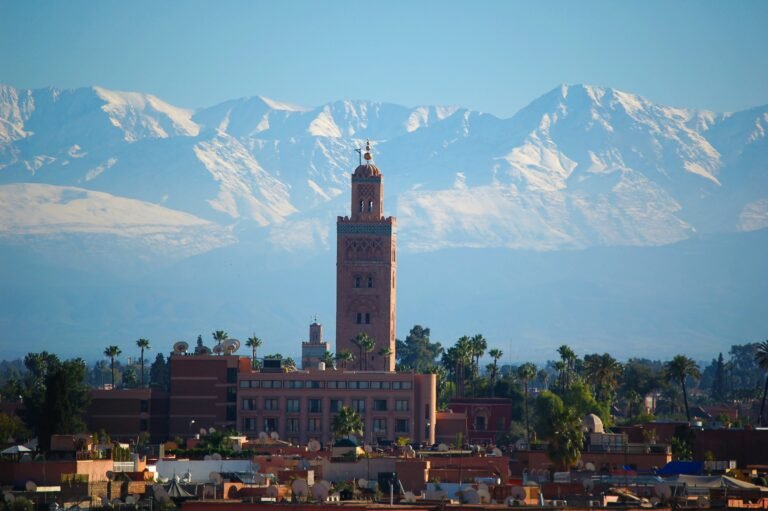
Imagine walking in a world where snow-covered mountains meet warm desert sands. Ancient cities come alive with quiet magic in winter. Morocco becomes a hidden paradise during this time.
The best time to visit Morocco isn’t summer. It’s the magical winter months. Fewer tourists roam the streets, and landscapes share their secrets.
Winter in Morocco offers a unique experience. Each region has its own story. From the crisp mountain air to the serene coastal towns, your adventure awaits.
This journey will show you five extraordinary destinations. They prove why winter is Morocco’s most underrated travel season. You’ll find places with remarkable experiences without the summer crowds.
Key Takeaways
- Winter offers unique travel experiences across diverse Moroccan landscapes
- Mild temperatures make exploration comfortable and enjoyable
- Fewer tourists mean more authentic cultural interactions
- Each region provides distinct winter experiences
- Winter reveals hidden aspects of Morocco’s natural beauty
Why Winter in Morocco Is the Best-Kept Travel Secret
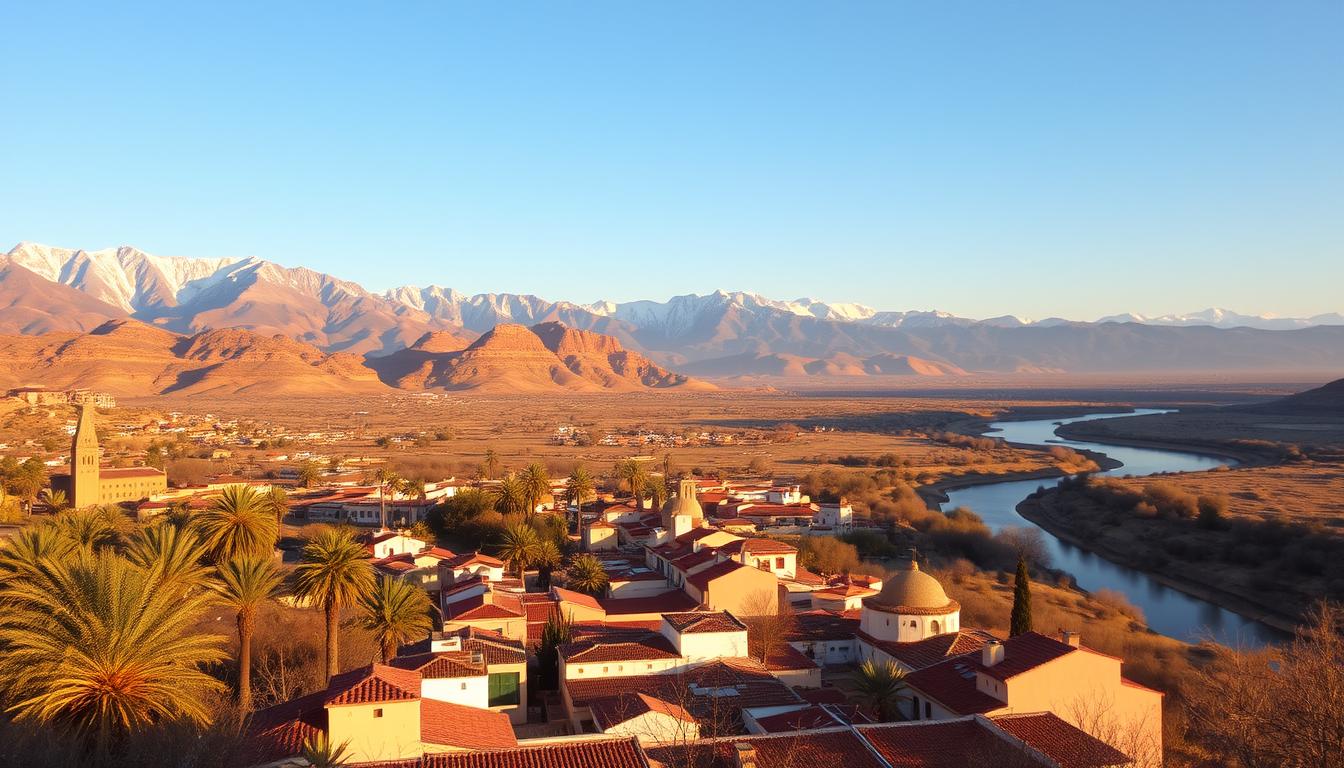
Travelers are finding a hidden gem in Morocco during winter. This North African country turns into a magical winter playground. Winter in Morocco offers a unique experience unlike the crowded summer months.
Escape the Summer Crowds and Discover Authentic Morocco
Imagine walking through Morocco’s famous medinas and historic sites without the crowds. Winter is the perfect time for morocco seasonal tourism fans to see the country’s real side. With fewer tourists, you can:
- Have more personal interactions with locals
- Get easier access to top attractions
- Explore cultural sites without the rush
- Feel the true warmth of Moroccan hospitality
“Winter reveals Morocco’s soul in ways summer never could.” – Moroccan Travel Enthuasiast
Perfect Weather for Exploration and Adventure
Morocco’s winter weather is surprisingly nice. Most areas have mild temperatures between 60-70°F, perfect for outdoor fun. Coastal cities like Tangier and Essaouira have cool, refreshing air. Inland places offer comfortable weather for exploring.
Your winter trip can include hiking in the Atlas Mountains, exploring ancient medinas, or enjoying the desert without the summer heat. Smart travelers find Morocco’s most genuine and peaceful side in winter.
The Majestic Atlas Mountains: Your Winter Wonderland
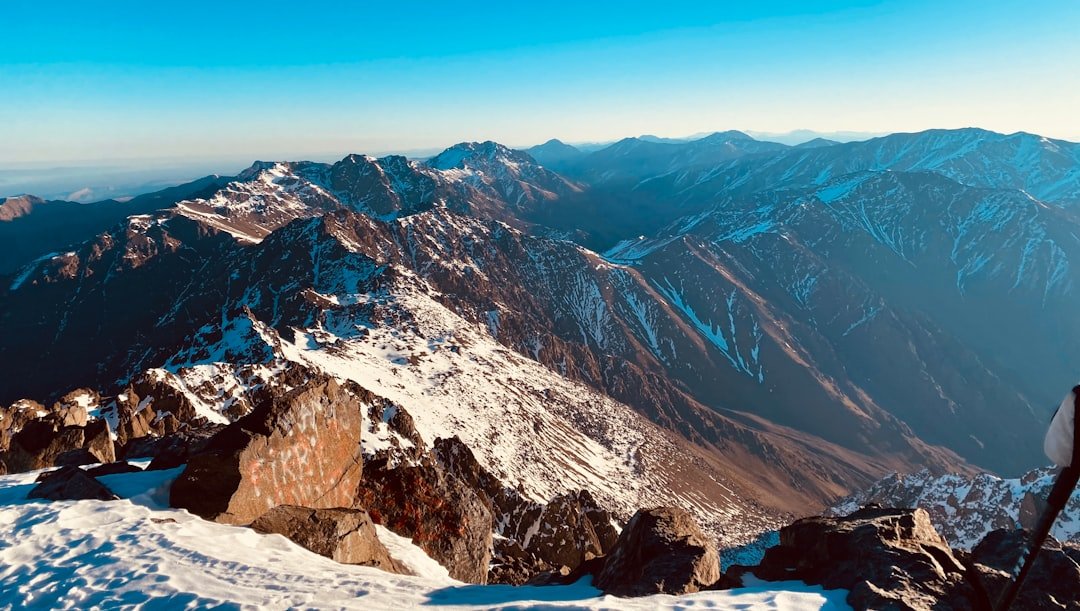
Explore Morocco’s Atlas Mountains in winter, a hidden treasure. It turns into a magical world of snow-covered peaks and calm valleys. The weather here creates a special winter experience for all.

Winter in the Atlas Mountains is a unique getaway. The snow makes the mountains look like a pristine white canvas. There are two amazing places to see the mountains’ winter beauty:
Imlil: Gateway to Toubkal and Berber Villages
Imlil sits at 1,740 meters and is perfect for mountain lovers. This village shows the real Berber mountain culture with:
- Stunning mountain views
- Traditional guesthouses
- Access to Mount Toubkal treks
- Moderate winter temperatures
It’s a great place to see mountain life without too much cold.
Khénifra: Cedar Forests and Mirror-Like Lakes
Khénifra in the Middle Atlas offers a different winter scene. Visitors can see:
- Aguelmame Azigza lake’s reflective waters
- Golden-hued cedar forests
- Opportunities to spot local wildlife
- Peaceful mountain scenery
Winter turns this area into a photographer’s dream. The air is crisp, and the light is dramatic, showing off Morocco’s mountains.
Ifrane: Morocco’s Little Switzerland in Winter
Ifrane is a hidden gem in the Middle Atlas Mountains. It’s Morocco’s most unexpected winter spot. This town looks like a Swiss village, not a North African one.
The town’s European-style buildings are a sight to see. French designers made it look like the Alps. Its clean streets and layout are unlike other Moroccan cities.
- Explore the Michliffen ski resort, Africa’s southernmost skiing destination
- Discover the Azrou cedar forest with its wild Barbary macaques
- Enjoy snowboarding and sledding opportunities
- Walk through pristine national parks with unique wildlife
Winter in Ifrane is perfect for snow sports. January and February are the best months. The Ifrane National Park offers stunning views and wildlife.
A hidden gem that challenges everything you thought you knew about Moroccan landscapes!
Ifrane is a must-see for winter sports fans or anyone looking for a unique trip. It’s Morocco’s most unexpected winter wonderland.
Chefchaouen and the Rif Mountains: Blue Pearl Under Winter Skies
Chefchaouen, in the Rif Mountains, turns into a peaceful winter wonderland in winter. It invites those looking for a real Moroccan adventure. The blue city shows a new side in the cold months, perfect for exploring and hiking.
Winter makes Chefchaouen quiet and magical, removing the summer crowds. The blue walls stand out against the clear winter sky. It’s a dream spot for photographers, untouched and beautiful.
Akchour Waterfalls: A Winter Hiking Paradise
Akchour, near Chefchaouen, is a winter hiking dream for thrill-seekers. The season changes the scenery into misty mountains and roaring waterfalls.
- Explore the Grand Cascade with higher water levels
- Discover the natural God’s Bridge rock formation
- Experience crystal-clear mountain streams
“In winter, the Rif Mountains reveal their most intimate secrets to those brave enough to explore.” – Local Hiking Guide
Exploring the Blue Medina Without the Crowds
Winter is the best time to see Chefchaouen’s blue medina. The quiet streets are perfect for finding local crafts and enjoying cafes without the rush.
Hikers will love winter in the Rif Mountains. Fewer tourists mean cleaner trails. The cool weather makes hiking easy, letting you enjoy the stunning views around Chefchaouen.
Merzouga and the Sahara Desert: Winter’s Most Magical Experience
Explore the Sahara Desert in Morocco during winter. December turns the desert into a stunning wonderland. Merzouga, near the Erg Chebbi dunes, offers a unique winter desert adventure.
Winter in the Sahara is a cool escape from summer heat. In December, temperatures are just right, between 60-70°F. This makes it perfect for exploring the desert. The clear skies also offer great opportunities for adventure.
- Enjoy comfortable camel treks across golden sand dunes
- Experience world-class stargazing under pristine night skies
- Stay in traditional Berber desert camps
- Capture stunning sunset photographs
Your winter adventure in the Sahara includes special experiences. Imagine camel rides without the heat, watching the dunes light up, and nights by the campfire. You’ll hear traditional Berber music.
“The Sahara in winter is not just a destination, it’s a magical journey into another world.” – Moroccan Travel Guide
Remember to pack warm clothes for cold desert nights. Temperatures can drop near freezing. Choose tours that respect local Berber communities and offer real experiences.
Hidden Coastal Gems: Tangier and Asilah in Winter
The atlantic coast morocco is a magical winter escape. Coastal towns become serene retreats. Tangier winter offers a chance to see Morocco’s northern coast without the summer crowds.
Winter along the Atlantic coast is full of surprises. The mild temperatures and peaceful atmosphere make it perfect for finding hidden treasures. These spots are often missed during busier times.
Tangier’s Peaceful Winter Atmosphere
Tangier is a tranquil haven in winter. The city’s famous cosmopolitan spirit shines through when it’s less crowded. You can wander quiet medina streets and enjoy views of the Strait of Gibraltar without interruption.
- Explore the historic Kasbah with panoramic views
- Visit cultural sites like the American Legation Museum
- Walk along the scenic corniche promenade
- Enjoy intimate café experiences at local haunts
Asilah: Art, Beaches, and Atlantic Breezes
Asilah, south of Tangier, is an artistic sanctuary in winter. Its whitewashed walls with colorful murals create a beautiful scene. It attracts both creative and peaceful travelers.
- Discover pristine beaches with dramatic Atlantic views
- Explore charming Portuguese-influenced medina
- Experience local art galleries and cultural spaces
- Savor fresh seafood in quiet restaurants
Your winter trip along Morocco’s atlantic coast morocco will show you a side few see. Tangier and Asilah mix cultural richness with coastal calm in the cooler months.
Imperial Cities: Discovering Marrakech, Fes, and Meknes in Cooler Temperatures
Winter turns Morocco’s imperial cities into magical places. The weather is cool, and there are fewer tourists. Marrakech’s winter temperatures are perfect, ranging from 60-70°F. This makes it great for exploring the city’s lively streets and cultural wonders.
Your winter trip to Morocco’s imperial cities is full of unique experiences:
- Explore Marrakech’s souks without summer heat
- Discover Fes’s hidden architectural gems
- Wander Meknes’s historic sites in comfortable weather
Fes is perfect in winter, with mild temperatures. You can stroll through the world’s largest car-free area. You’ll find narrow alleys and rich cultural heritage without the summer heat.
“Winter in Morocco’s imperial cities is like unwrapping a hidden cultural treasure” – Moroccan Travel Experts
Meknes is another great winter spot. With fewer people and mild weather, you can see amazing imperial buildings and Roman ruins at Volubilis easily.
Here are some winter travel tips for these cities:
- Pack layers for changing temperatures
- Book accommodations at lower winter rates
- Enjoy warming traditional meals like tagines and harira soup
Your winter adventure through Morocco’s imperial cities promises an unforgettable journey of discovery and cultural immersion.
Essential Tips for Planning Your Winter Morocco Adventure
Getting ready for a winter trip to Morocco needs careful planning and smart packing. Your packing strategy can greatly affect your trip. It’s important to know Morocco’s winter climate variations.
When planning your trip, think about what to wear and what gear to bring. Morocco’s different areas have very different temperatures. You’ll find mild coasts and cold mountains.
Packing Essentials for Morocco’s Winter Climate
Make a list of clothes that can be layered. This way, you can adjust to the changing weather. Here’s a guide to help you pack:
- Thermal base layers for cold nights
- Waterproof jacket with removable inner lining
- Warm sweaters or fleece jackets
- Comfortable, waterproof walking shoes
- Warm accessories: scarf, gloves, and beanie
Strategic Booking and Travel Considerations
Winter in Morocco is great for travelers. You’ll find lower prices and fewer tourists. This makes it perfect for real experiences.
| Travel Aspect | Winter Recommendation |
|---|---|
| Best Months to Visit | November – March |
| Accommodation Booking | 2-4 weeks in advance |
| Price Range | 20-40% lower than peak seasons |
Pro tip: Book mountain treks and desert tours early, as winter can limit availability in remote regions.
Your winter Morocco adventure is waiting. Pack wisely, book smart, and enjoy the unique winter experiences Morocco offers.
Conclusion
Winter in Morocco is a journey through breathtaking landscapes. You’ll see snow-capped mountains and warm desert oases. This season lets you discover hidden gems that are off-limits in summer.
Exploring places like the Atlas Mountains and Chefchaouen’s blue streets is unique. Ifrane’s alpine beauty and the Sahara’s mild winters are also highlights. Morocco’s winter offers a chance to dive into its culture without the crowds.
Traveling in winter saves money too. You’ll find cheaper accommodations and tours. It’s perfect for those who love to explore without spending a lot.
Ready to explore Morocco in winter? Look for flights and mark your favorite spots. Get ready to see Morocco in a way few others do. Your winter adventure is waiting, filled with unforgettable moments.
FAQ
Is Morocco a good destination to visit during winter?
Yes, Morocco is great in winter! The weather is mild (60-70°F), and there are fewer tourists. This means you can enjoy the culture more and see famous places without crowds.
What should I pack for a winter trip to Morocco?
Bring layers for Morocco’s changing weather. Pack thermal clothes, a warm sweater, and a waterproof jacket. Don’t forget comfy shoes, a hat, and scarf. Also, remember sunscreen and sunglasses for the strong winter sun.
Can I visit the Sahara Desert in winter?
Winter is the best time for the Sahara Desert! It’s not too hot (60-70°F) during the day. You’ll see clear skies at night, enjoy camel rides, and see the desert without the summer heat.
Are the Atlas Mountains accessible during winter?
Yes, the Atlas Mountains are beautiful in winter. Some areas might have snow, but many are open. Imlil is a great place to start, with amazing views and fewer people than in summer.
Is it cold in Moroccan cities during winter?
Moroccan cities like Marrakech and Fes are mild in winter. Daytime temperatures are 65-70°F. Nights can be cooler, but the days are perfect for exploring and outdoor fun.
When is the best time to visit Morocco in winter?
The best months are November to March, with December and February being the best. You’ll find comfortable weather, fewer tourists, and a chance to see different parts of Morocco.
Can I go skiing in Morocco?
Yes! Ifrane in the Middle Atlas Mountains has skiing at Michliffen ski resort. January and February are the best for skiing in this unique spot.
Are tourist attractions open during the winter?
Most attractions are open in winter, and you’ll face shorter lines. Places like the Bahia Palace in Marrakech and desert camps are great during this time.
What are the accommodation prices like in winter?
Winter is cheaper, with hotel prices 20-40% lower. It’s also easier to find places to stay and negotiate better deals, making it a good time for budget travelers.
Is it safe to travel to Morocco in winter?
Morocco is safe in winter. Just take normal precautions. Be ready for weather changes, dress right, and consider local guides for safer trips.