Ait Ben Haddou: A Journey Through Time and Tradition in Morocco’s Desert Jewel
Table of Contents
1. What is Ait Ben Haddou? Understanding the Historic Ksar
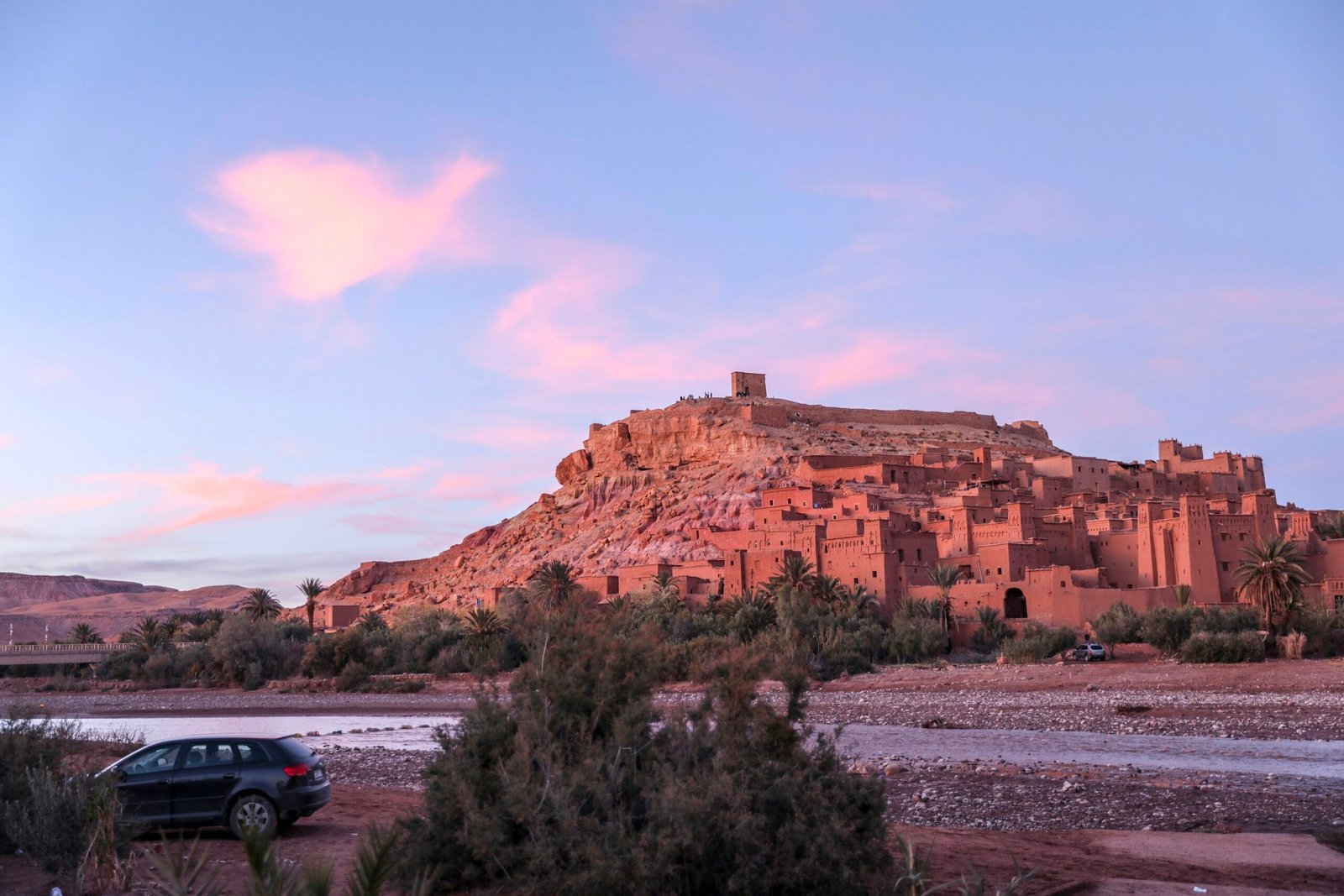
Have you ever wondered what stepping back in time would actually feel like? Picture yourself wandering through narrow alleyways of clay-brick buildings, their amber walls glowing in the desert sun, while the Ounila River flows gently below. Welcome to Ait Ben Haddou—a breathtaking testament to centuries of human creativity and resilience. This isn’t just another tourist destination; it’s a living, breathing monument to Moroccan heritage that takes you on a genuine journey through history itself.
Ait Ben Haddou represents something truly special: it’s what we call a “ksar,” pronounced “ksour” when plural. Think of a ksar as a fortified village, essentially a compact community designed to protect its inhabitants from external threats while fostering internal life and commerce. What makes Ait Ben Haddou remarkable isn’t just that it exists, but that it has survived centuries of change, weathering storms both literal and metaphorical to remain one of the most pristine examples of pre-Saharan architecture in the entire world.
1.1 The Essence of a Moroccan Ksar
A ksar, for those unfamiliar with the term, is far more complex than a simple village. These fortified settlements are architectural embodiments of community survival strategies developed over generations. They’re typically built on elevated terrain, surrounded by protective walls reinforced with defensive towers. Inside, the buildings interlock like puzzle pieces, creating a maze-like structure that served dual purposes: it defended against invaders while also creating a practical urban layout that maximized space and community interaction.
What makes Moroccan ksour particularly fascinating is their construction method. The people who built these settlements used materials readily available in their environment—earth, clay, and straw. They transformed these humble materials into structures that have lasted centuries, proving that true engineering doesn’t require steel and concrete. It requires understanding, ingenuity, and respect for your environment. Each brick, each wall, each corner tells a story of adaptation and survival.
1.2 Geographic Location and Landscape
Ait Ben Haddou isn’t randomly located in the Moroccan landscape. It sits approximately 30 kilometers from Ouarzazate in the Ounila Valley, nestled on the southern slopes of the High Atlas Mountains. This specific location is crucial to understanding its historical importance. The valley provided both water and strategic positioning—factors that couldn’t be more important for a settlement’s survival and prosperity.
The surrounding landscape is absolutely stunning, with rugged terrain that transitions from mountainous regions to desert expanses. The Ounila River flows nearby, providing essential water resources, though interestingly, not all water in the region is usable. The nearby Oued Maleh (meaning “salt river”) has such high salinity levels that it’s unsuitable for drinking. This geographical reality would have shaped daily life for residents throughout Ait Ben Haddou’s history, influencing everything from agriculture to trade practices.
2. The Historical Significance of Ait Ben Haddou
Understanding Ait Ben Haddou means understanding a crucial chapter of North African history. This isn’t a modern creation or a reconstructed heritage site—it’s an authentic historical location that has evolved organically over approximately a thousand years. The stories embedded in its walls connect us to a world of traders, warriors, and communities whose daily struggles and triumphs shaped the region we know today.
2.1 Ancient Origins: The Almoravid Period
The history of Ait Ben Haddou stretches back further than most people realize. According to historical records, the site has been fortified since at least the 11th century, during the Almoravid period—a powerful dynasty that reshaped North Africa politically and culturally. The town itself is named after Ben Haddou, its legendary founder, who according to tradition established a tribe there around 757. Legend suggests his tomb lies somewhere beneath the modern village, though this remains unconfirmed by archaeologists.
The buildings we see today largely date from the 17th century, which represents a period of remarkable prosperity and activity in the region. However—and this is important—the architectural styles and construction techniques evident in these 17th-century structures were likely being used for centuries before. Think of it like this: while the physical buildings might be 400 years old, the ideas and methods behind them span a millennium. This continuity reveals something profound about the resilience of traditional Moroccan architecture.
2.2 The Golden Age of Trans-Saharan Trade
Here’s where Ait Ben Haddou’s significance really becomes clear. During its peak, this small fortified village wasn’t just a quaint settlement—it was a crucial hub in one of history’s most important trade networks. We’re talking about the trans-Saharan trade routes, routes that connected the wealthy kingdoms of West Africa with North Africa and the Mediterranean world for roughly a thousand years.
2.2.1 The Caravan Routes and Trading Hub
Imagine the scene: merchants from Sudan, Mali, and Ghana would travel north with precious cargo—gold, ivory, salt, and spices. These weren’t small local trades; they were major commercial operations involving hundreds of traders and thousands of goods. The routes had to pass through specific mountain passes, and Ait Ben Haddou’s location along the Ounila Valley made it perfectly positioned to serve these caravans. The valley provided not just a physical route but also crucial resources: water, shelter, and security.
The Tizi n’Tichka pass, which traders accessed through this region, was one of the few reliable routes across the Atlas Mountains connecting Marrakech with the Dra’a Valley at the Sahara’s edge. Without passes like this, the entire trade network would have collapsed. Ait Ben Haddou didn’t just exist alongside this trade—it thrived because of it. The village even featured a surviving caravanserai called a fondouk, essentially a fortified inn where traders could rest, store goods, and conduct business safely. These structures were like the truck stops of the medieval world.
3. Architectural Marvels of the Ancient Village
Walking through Ait Ben Haddou, you’re constantly aware that you’re not just observing architecture—you’re standing inside centuries of accumulated knowledge and practical problem-solving. Every corner, every wall, every window tells you something about how people adapted to harsh desert conditions while maintaining community and security.
3.1 Traditional Mudbrick Construction Techniques
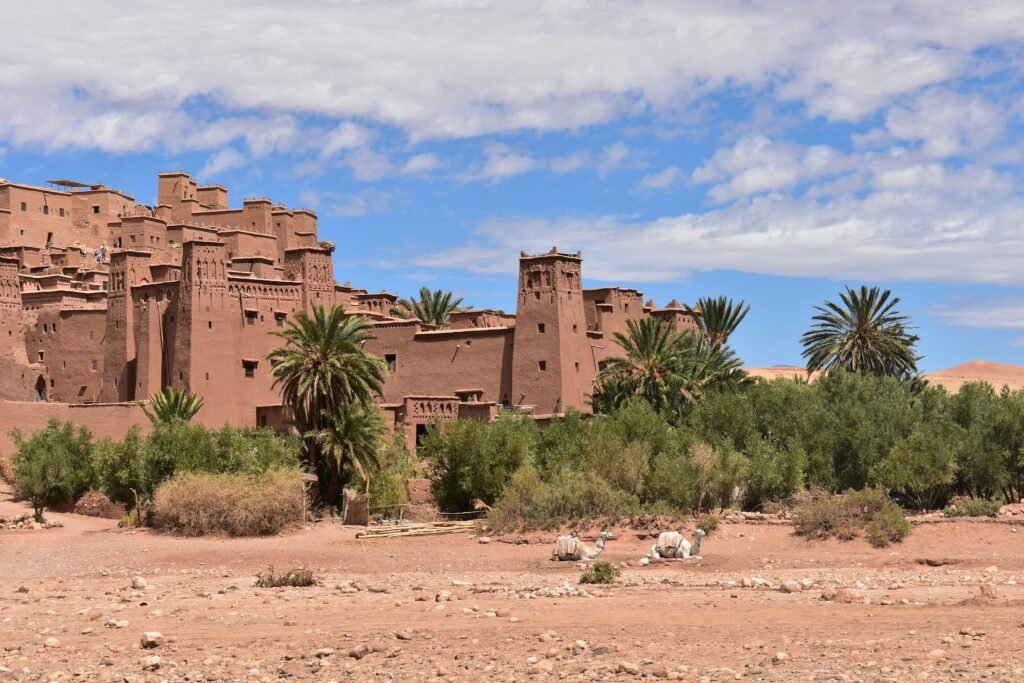
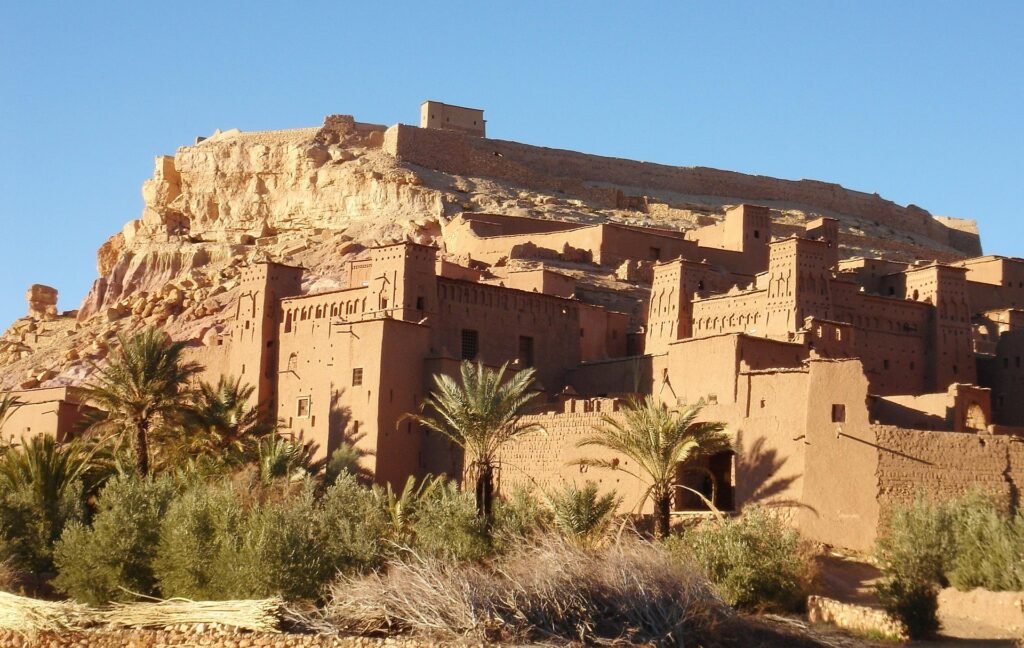
The primary building material throughout Ait Ben Haddou is mudbrick, mixed with straw and constructed using techniques that have remained remarkably consistent for centuries. This might sound primitive compared to modern construction materials, but it’s actually a sophisticated response to environmental challenges. Mudbrick provides exceptional insulation in extreme temperature environments. During scorching desert days, these thick clay walls keep interiors cool. During cold desert nights, they retain heat. It’s a naturally efficient building system that required no electricity or mechanical systems.
What’s truly impressive is the decorative sophistication applied to these humble materials. Berber craftspeople developed intricate techniques for decorating adobe bricks and facades. They created patterns by skillfully matching different colored bricks, by carving designs directly into walls, and by shaping clay into decorative elements. If you look closely at the buildings, you’ll notice intricate geometric patterns and motifs that aren’t merely decorative—they reflect cultural symbolism and artistic expression. Each decorated wall is essentially a statement of cultural identity and community pride.
The construction process itself was a community affair. Families and neighbors would work together to build and maintain structures, creating social bonds alongside physical ones. This collective approach meant that knowledge about construction techniques was shared, refined, and improved across generations. It created a living tradition of architecture that adapted and evolved without losing its essential character.
3.2 Defensive Design and Layout
The layout of Ait Ben Haddou wasn’t random or chaotic. Every element served strategic purposes. The buildings don’t face outward randomly—instead, the entire settlement is organized as a unified defensive system. The collective arrangement of structures creates limited points of entry, essentially creating a series of controlled access points that could be defended.
The narrow, winding streets aren’t just charming—they’re strategically designed. Imagine being an invader trying to navigate through these tight passages: you’d have limited visibility, restricted movement, and vulnerability from residents above who could defend from rooftops and windows. It’s security through architecture, as elegant as it is effective.
3.2.1 Towers, Walls, and Strategic Planning
The settlement is surrounded by high, imposing walls reinforced at corners with defensive towers. These towers, called marabouts, once served as watchtowers where residents could survey approaching threats. The elevated position of the entire ksar on a hillside provides additional defensive advantages—attackers would literally have to fight uphill. The buildings themselves vary in height and design, with some structures resembling small fortified houses or mini-castles adorned with detailed adobe brick decorations.
What’s remarkable is how these defensive features didn’t compromise community life. Despite being essentially a fortress, Ait Ben Haddou included spaces for communal activities—granaries for storing grain, mosques for religious observance, and markets for local commerce. The architecture had to balance security with practical daily life, and the design accomplished both remarkably well.
4. UNESCO World Heritage Status and Conservation
Recognition of Ait Ben Haddou as a UNESCO World Heritage Site in 1987 marked a turning point for the settlement’s future. But what does this designation actually mean, and why does it matter? Understanding the conservation story is crucial to appreciating the site today.
4.1 Recognition and Preservation Efforts
UNESCO’s World Heritage designation acknowledges that Ait Ben Haddou represents something of exceptional cultural importance to humanity. This recognition isn’t symbolic—it comes with serious responsibilities and practical consequences. It means the international community recognizes the site as irreplaceable cultural property that deserves protection and proper management. The designation also opened doors to international funding and expertise for restoration projects.
The mudbrick structures are particularly vulnerable to environmental damage. Heavy rainfall, temperature fluctuations, wind erosion, and climate change all pose significant threats to these ancient buildings. Unlike stone structures that can last thousands of years with minimal intervention, mudbrick requires ongoing maintenance and periodic restoration. Without active conservation efforts, Ait Ben Haddou would gradually deteriorate and eventually collapse.
4.2 The Role of CERKAS in Modern Restoration
The Center for Conservation, Restoration, and Rehabilitation of Ksours and Kasbahs, known as CERKAS, serves as the primary organization managing Ait Ben Haddou’s preservation. CERKAS isn’t just maintaining buildings—it’s conducting a complex balancing act. They preserve historical integrity while addressing modern challenges like improved sanitation, structural stability, and visitor access.
Recent restoration projects have included repairing walls and houses, installing proper waste management systems, improving water access through standpipes, and maintaining roads within the settlement. These might sound like basic infrastructure improvements, but they’re essential to keeping the site accessible and livable while maintaining its historical character. A 2020-2030 management plan represents the most comprehensive preservation strategy yet, illustrating the commitment to protecting Ait Ben Haddou’s cultural heritage for future generations.
The work is challenging because restoration must respect traditional construction methods while ensuring structures meet modern safety standards. It’s not like replacing failing parts with new modern materials—it’s carefully studying historical techniques and applying them with contemporary knowledge. This approach requires both specialized expertise and deep respect for traditional building methods.
5. Ait Ben Haddou as a Cinematic Icon
One of the most delightful aspects of Ait Ben Haddou’s modern story is its role as a filming location. The settlement has essentially become Hollywood’s favorite Moroccan backdrop, and understanding why reveals something important about how visual authenticity impacts storytelling.
5.1 Hollywood’s Favorite Moroccan Location
Over 20 films and television productions have been shot at Ait Ben Haddou, transforming it into one of the world’s most recognized filming locations. Ouarzazate, the nearby city, has earned the nickname “Hollywood of Morocco,” with major film studios operating in the area. But Ait Ben Haddou stands out because of something these filmmakers prize above all else: authentic visual reality.
Filmmakers love Ait Ben Haddou because they don’t need to construct elaborate sets. The entire location IS the set. The dramatic landscape, the authentic ancient architecture, the desert atmosphere—all of it combines to create a visually stunning environment that filmmakers can’t easily replicate on constructed sets. The rugged terrain, arid landscapes, and winding Ounila River create a versatile canvas for different cinematic visions. The juxtaposition of ancient village against vast untouched desert creates an evocative, emotionally powerful atmosphere.
5.2 Iconic Films and Productions Shot Here
Think about the films associated with Ait Ben Haddou and you’re thinking about some of cinema’s most memorable productions. The 1999 film “The Mummy” starring Brendan Fraser filmed here, even though the movie is set in Egypt. The adventure and spectacle in that film found expression through Ait Ben Haddou’s landscape. “Gladiator,” “Lawrence of Arabia,” and scenes from “Game of Thrones” have all been filmed here. The HBO series used the location to portray Essos, the exotic eastern continent in the fantasy world.
What’s interesting is that these productions chose Ait Ben Haddou not to fake something, but to authentically portray historical or exotic settings. They understood that authentic locations contain visual information that audiences respond to unconsciously. Real stone and clay weathers in ways that constructed sets can’t quite replicate. Real dirt, real light, real atmosphere—these elements of authenticity create emotional resonance that pure construction can’t achieve. Ait Ben Haddou’s cinematic fame has ironically helped preserve it, because its economic value became obvious to both locals and the Moroccan government.
6. Cultural Heritage and Local Lifestyle
Ait Ben Haddou isn’t a museum frozen in time—it’s inhabited by real people maintaining real cultural traditions. Understanding the community is essential to appreciating the site authentically.
6.1 The Berber Community and Traditional Living
The residents of Ait Ben Haddou and surrounding areas are primarily Berber people, sometimes called Amazigh. These communities have deep historical roots in North Africa predating Arab civilization. The Berber culture, with its distinctive language, customs, and traditions, remains vibrant throughout Morocco, and Ait Ben Haddou represents an important living example of Berber architectural and community traditions.
The residents of nearby douars (villages) have interesting historical backgrounds. Many Berber communities that now inhabit these areas made transitions from nomadic to sedentary lifestyles at various points in history. This transition wasn’t sudden but occurred gradually as economic and social conditions changed. The fortified settlements like Ait Ben Haddou provided security and opportunity for communities seeking to establish permanent homes.
Today, the kasbah itself is only sparsely inhabited. Most families have moved to modern dwellings across the river, though a small number still reside within the ancient walls, preserving authentic community life within the historical structures. These resident families engage in traditional crafts, maintain aspects of traditional lifestyle, and increasingly participate in tourism-related activities. It’s a delicate balance—maintaining cultural authenticity while adapting to economic realities.
6.2 Modern Challenges and Community Development
One of the fascinating tensions in Ait Ben Haddou’s modern story involves wealth distribution from tourism. The site’s UNESCO status and cinematic fame have made it a major tourist attraction. Visitors arrive in substantial numbers, spending money on guides, accommodations, food, and local crafts. However, this economic benefit isn’t evenly distributed. Many residents feel that most profits flow to tour operators and merchants from Marrakech rather than local people.
This economic disparity has sparked important conversations about equitable development. Local communities increasingly recognize that their heritage has genuine economic value, and they’re rightfully demanding a greater share of tourism revenues. The management plan and conservation efforts increasingly incorporate community development goals, aiming to rebalance tourism profits so that local inhabitants directly benefit from their cultural heritage. In 2011, a pedestrian bridge was completed linking the ancient ksar with the modern village, making the site more accessible and symbolizing renewed commitment to local community connection with their ancestral home.
This represents a broader challenge in heritage tourism: how do you preserve authentic cultural sites while ensuring they benefit the people who created and maintain them? It’s a question without simple answers, but Ait Ben Haddou is actively grappling with it.
7. Planning Your Visit to Ait Ben Haddou
If you’re considering visiting this extraordinary location, understanding practical details will enhance your experience tremendously.
7.1 Best Time to Visit and What to Expect
The ideal time to visit depends on your preferences regarding climate and crowds. October through April offers comfortable temperatures—warm days with cool evenings, ideal for exploring. Summer months (June-August) bring extreme heat; the desert can exceed 40°C (104°F), making extensive walking uncomfortable and potentially dangerous.
Expect to spend several hours exploring. Walking through the maze-like streets, climbing to the kasbah’s summit, and visiting various structures within the settlement typically requires at least three to four hours. The climb to the top rewards you with panoramic views of the surrounding desert, mountains, and river valleys—vistas that are genuinely breathtaking. The view encompasses everything the settlement’s inhabitants would have surveyed centuries ago, yet now includes modern villages beyond the river.
You’ll encounter other visitors—depending on season, the site ranges from moderately to quite busy. The presence of souvenir vendors and guides is substantial, reflecting the site’s popularity. While this commercialization has downsides, it also represents the economic activity that keeps the community engaged. Many traditional houses have been converted into art galleries and artisanal shops where local residents sell handicrafts, textiles, and artwork.
7.2 Practical Travel Tips for Travelers
Visiting Ait Ben Haddou is most easily accomplished as part of a tour from Marrakech, though independent travel is possible. The site is typically visited as part of broader desert tours. Bring adequate water—you’ll be walking through an ancient village in a hot climate, and dehydration happens quickly. Wear comfortable, sturdy shoes suitable for uneven surfaces and many stairs. The terrain is genuinely challenging, with narrow passages, steep inclines, and irregular steps.
Respecting the site’s authentic character is crucial. Remember you’re visiting a living cultural heritage site, not a theme park. While photography is generally permitted, always ask before photographing residents or private spaces. The mudbrick structures are genuinely fragile; avoid leaning on walls or placing excessive pressure on ancient structures. When purchasing from local vendors, remember that your spending directly supports residents—fair prices aren’t just ethical, they’re economically important to the community.
Consider hiring a local guide. Yes, it costs extra, but guides provide context and stories that transform a pleasant walk into a genuine learning experience. They understand the social history, architectural details, and can point out features you’d easily miss otherwise. Their presence also ensures your money directly supports local community members.
8. The Future of Ait Ben Haddou
Ait Ben Haddou stands at a fascinating crossroads. Climate change, tourism pressure, development pressures, and changing economic conditions all affect the site’s future in complex ways.
8.1 Balancing Tourism with Preservation
The fundamental challenge facing Ait Ben Haddou is balancing preservation with economic necessity. Tourism provides income that keeps communities engaged with their heritage rather than abandoning it. Yet excessive tourism can damage structures and devalue authenticity. The management plan attempts to navigate these tensions through sustainable tourism initiatives, controlled visitor access, and community-focused development strategies.
Climate change poses particularly significant challenges for mudbrick structures. Increased rainfall intensity and temperature fluctuations accelerate deterioration. The September 2023 earthquake that struck southern Morocco damaged the site, creating new preservation challenges including cracks and partial collapses in some structures. Yet each challenge also presents opportunities for conservation work that advances preservation techniques and international understanding of earthen architecture.
The future depends significantly on continued international support, local community engagement, and innovative approaches to heritage management. Ait Ben Haddou has survived centuries of change—from prosperous trade hub to isolated settlement to tourist destination. Its ability to adapt while maintaining essential character suggests it can navigate contemporary challenges successfully.
Conclusion: A Living Connection to Our Shared Past
Ait Ben Haddou represents something increasingly rare in our modern world—a genuine connection to human history that hasn’t been artificially packaged or fundamentally altered for consumption. Walking through its streets, you’re encountering authentic human creativity, community organization, and cultural expression that has evolved over centuries. It’s not a perfect place; preservation presents genuine challenges, and tourism creates real tensions. Yet it remains remarkable precisely because of its authenticity.
This ancient ksar tells us important truths about human resilience and adaptation. Communities that lived here centuries ago solved fundamental problems—shelter, security, commerce, community organization—using materials at hand and accumulated wisdom. They created architecture that has lasted centuries because it respected environmental conditions and balanced practical needs with cultural values. That’s a profound lesson for a modern world often divorced from environmental realities.
Visiting Ait Ben Haddou isn’t just tourism; it’s genuine cultural exchange. It’s an opportunity to understand how different communities solve problems, organize societies, and express cultural identity. For filmmakers seeking authenticity, for historians studying medieval commerce, for travelers seeking genuine cultural experience—Ait Ben Haddou offers something most modern travel destinations cannot: the real deal.
Frequently Asked Questions
1. How long has Ait Ben Haddou existed?
The site has been fortified since at least the 11th century during the Almoravid period, making it roughly 1,000 years old. The buildings visible today primarily date from the 17th century, but they were constructed using methods that had been consistent for centuries. The settlement’s legendary founder, Ben Haddou, is said to have established his tribe there around 757, though most concrete historical evidence dates to more recent centuries.
2. Is Ait Ben Haddou still occupied by residents?
Yes, though only sparsely. Most families have moved to modern dwellings across the river, but a small number of families continue living within the ancient kasbah walls. These residents maintain some aspects of traditional lifestyle while increasingly engaging in tourism-related activities. The pedestrian bridge completed in 2011 improved accessibility between the ancient settlement and modern village, encouraging some ongoing habitation of historical structures.
3. What makes Ait Ben Haddou’s architecture unique compared to other kasbahs?
Ait Ben Haddou is particularly distinguished by the exceptional quality of its mudbrick construction and decoration, the remarkable preservation of its defensive structures, and its unified layout that balances security with community function. The intricate geometric patterns and decorative elements applied to adobe bricks exemplify Berber craftsmanship at its finest. Additionally, its location along the trans-Saharan trade routes created particular architectural adaptations that make it distinctive.
4. Can I visit Ait Ben Haddou independently or must I join a tour?
While independent travel is possible if you have your own transportation and navigation skills, most visitors reach Ait Ben Haddou through organized tours from Marrakech or Ouarzazate. Tours typically last several hours and include guide services that provide valuable historical and cultural context. The site is accessible year-round, though October through April offers the most comfortable climate for exploration.
5. What impact has filming at Ait Ben Haddou had on the site and community?
Filming has been broadly positive for preservation and community awareness, though it creates some challenges. The site’s value for cinema productions has helped maintain its UNESCO status and international attention, which supports preservation funding. However, increased tourism from cinematic fame has created both economic opportunities and preservation pressures. The income from tourism hasn’t always benefited local residents equitably, sparking ongoing discussions about sustainable, community-focused tourism development.