Moroccan Cuisine Dishes: A Culinary Journey Through Morocco’s Rich Food Culture
Table of Contents
Moroccan cuisine dishes represent some of the world’s most enchanting culinary experiences, and they deserve a prominent place on every food lover’s radar. These dishes are a captivating blend of flavors, spices, and traditions that have been perfected over centuries. But what exactly makes Moroccan cuisine dishes so special? Is it the aromatic spices like cumin, cinnamon, and turmeric that dance on your palate?
The slow-cooking methods that transform simple ingredients into masterpieces? Or perhaps the rich cultural heritage behind every meal that tells a story of Moroccan history and family tradition? The truth is, it’s all of these elements combined into one incredible gastronomic experience that will transform how you think about cooking and eating.
Moroccan cuisine represents far more than just a way to satisfy hunger. It embodies the soul of a nation, blending African, Arab, and Mediterranean influences into dishes that tell stories of trade routes, cultural exchanges, and family gatherings. Whether you’re a seasoned foodie or someone curious about international cuisine, understanding Moroccan dishes opens up a whole new world of culinary delights.
Introduction to Moroccan Food Culture
Morocco isn’t just a destination for stunning landscapes and vibrant markets; it’s a paradise for food lovers. The country’s culinary traditions run deep, passed down through generations like precious heirlooms. Walking through the bustling medinas of Marrakech or Fez, you’ll encounter the most intoxicating aromas coming from small restaurants and food stalls, each one offering their own unique take on classic Moroccan dishes.
What’s fascinating about Moroccan food culture is how communal and celebratory it is. Meals aren’t rushed affairs; they’re social events where families and friends gather to share food, stories, and laughter. The preparation of these dishes is an art form, and eating them is an experience that engages all your senses. From the first bite to the last sip of mint tea, every element is carefully considered and cherished.
What Makes Moroccan Cuisine Unique?
So what sets Moroccan cuisine apart from other world cuisines? The answer lies in the perfect balance of sweet, savory, spicy, and tangy flavors. Moroccan dishes aren’t afraid to combine unexpected ingredients—like dried fruits with meat, nuts with vegetables, or olives with preserved lemons. This willingness to experiment while maintaining tradition creates something truly unique and unforgettable.
The cooking methods used in Morocco are equally distinctive. Many dishes are prepared using slow-cooking techniques in traditional clay pots, which allows flavors to develop and deepen over time. The result? Tender meats, perfectly cooked vegetables, and sauces that are nothing short of magical. This isn’t fast food; this is cooking that celebrates patience, care, and craftsmanship.
The Historical Roots of Moroccan Cooking
To truly understand Moroccan cuisine, you need to look back at the region’s fascinating history. Morocco has been a crossroads of civilizations for thousands of years, and each one left its mark on the food culture.
Berber Influences on Moroccan Dishes
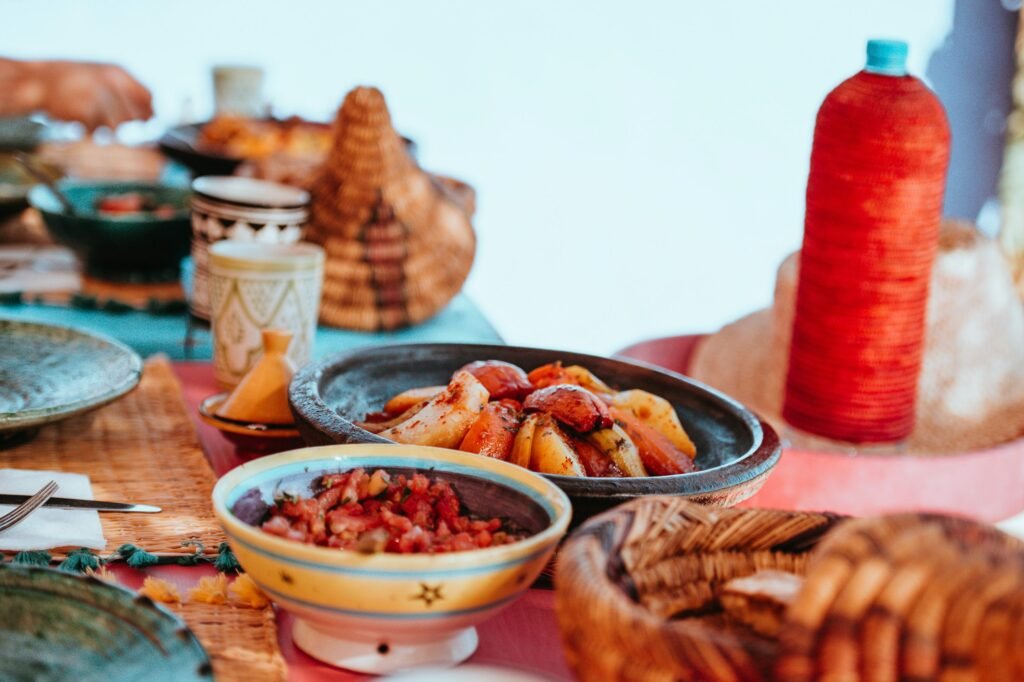
The Berbers, the indigenous people of North Africa, were the original architects of Moroccan cuisine. Over 2,000 years ago, they were already preparing hearty stews and slow-cooked dishes using the ingredients available to them: lamb, chicken, olives, figs, and dates. The Berbers developed the tagine dish—both the clay pot and the cooking method—as a practical solution for cooking in harsh desert conditions. The distinctive conical shape of the tagine pot allowed steam to circulate evenly, tenderizing meat and vegetables while using minimal water and fuel. This innovation remains central to Moroccan cooking today.
Arab and Middle Eastern Contributions
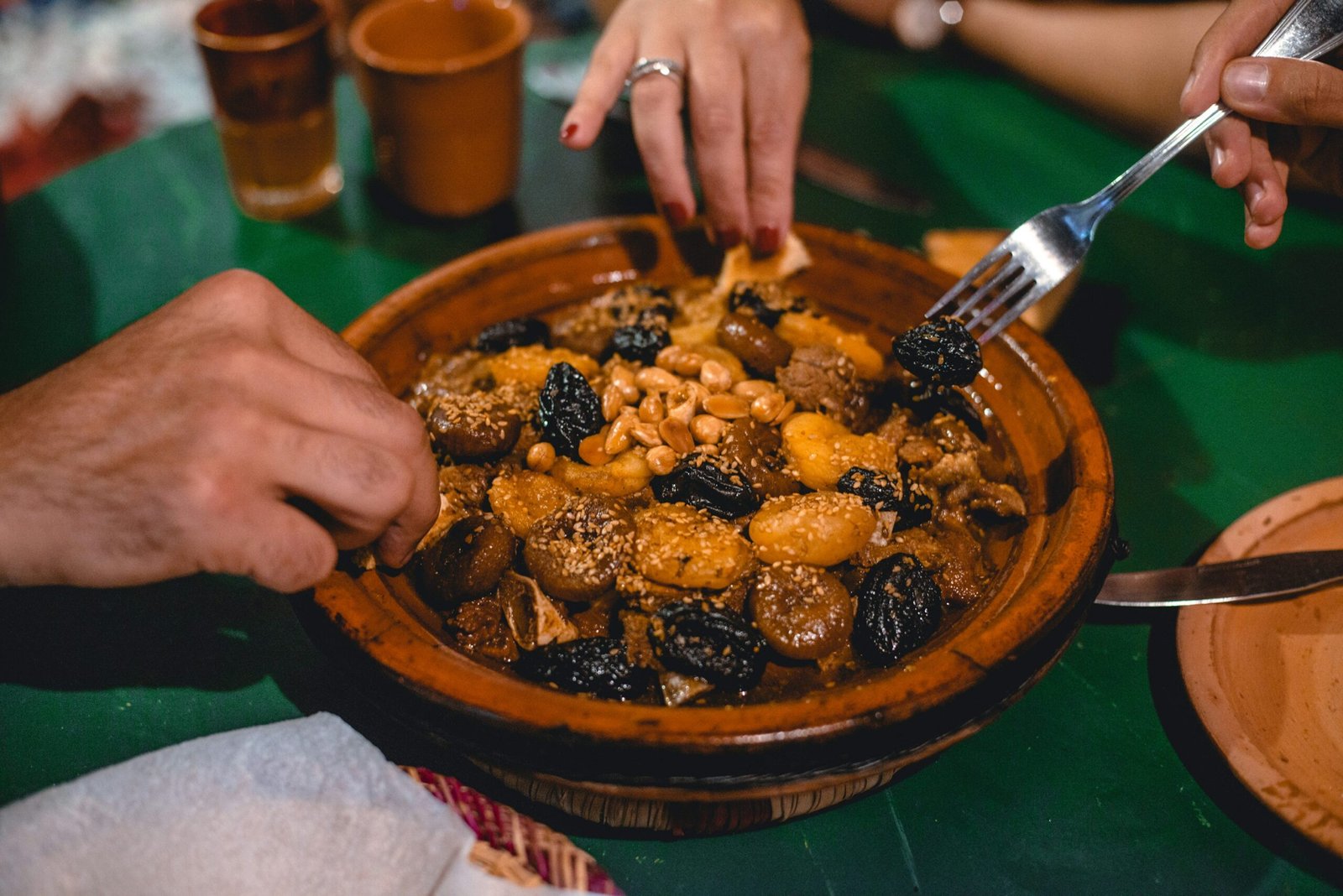
When Arab traders arrived in the 7th century, they brought with them a wealth of new ingredients and cooking techniques. They introduced spices like cinnamon, ginger, saffron, cumin, and caraway—the very spices that define Moroccan cuisine today. The Arabs also brought the concept of sweet-and-sour cooking, a technique they’d learned from Persian traditions. This approach, which combines the tartness of dried fruits with the richness of nuts and warm spices, gives Moroccan dishes their characteristic complexity and depth. It’s this influence that led to dishes featuring lamb with prunes, chicken with apricots, and other beautiful sweet-savory combinations.
Essential Spices and Ingredients in Moroccan Cuisine
No discussion of Moroccan dishes would be complete without diving deep into the ingredients that make them so spectacular. The spice markets of Morocco are sensory explosions—colorful mountains of spices that perfume the air and promise incredible flavors.
Traditional Moroccan Spice Blends
The most famous spice blend in Moroccan cuisine is ras el hanout, which translates to “top of the shop.” This complex mixture typically includes cumin, coriander, paprika, turmeric, cinnamon, cloves, ginger, nutmeg, and sometimes up to 30 other spices. It’s incredibly versatile—you’ll find it in tagines, on grilled meats, sprinkled on vegetables, and even in some sweet dishes. Another essential ingredient is preserved lemon, made by pickling lemons in salt. This ingredient adds an incredible depth of flavor to marinades and tagines, creating a subtle but unmistakable tang that’s absolutely addictive.
Key Proteins and Vegetables
Lamb is the most beloved meat in Moroccan cuisine, used in everything from tagines to kebabs to stews. Chicken is another staple, particularly in urban areas and restaurants. Fish is becoming increasingly popular, especially near coastal regions. When it comes to vegetables, Moroccan cooks use whatever the season offers: bell peppers, onions, carrots, zucchini, eggplant, tomatoes, and leafy greens. Grains like couscous and semolina form the foundation of many meals, while nuts—particularly almonds and walnuts—add texture and richness to both savory and sweet dishes.
The Ultimate Guide to Must-Try Moroccan Dishes
Now, let’s talk about the actual dishes that make Moroccan cuisine so beloved. These are the ones you absolutely must try if you want to understand what Moroccan food is all about.
Tagine: Morocco’s Most Iconic Dish
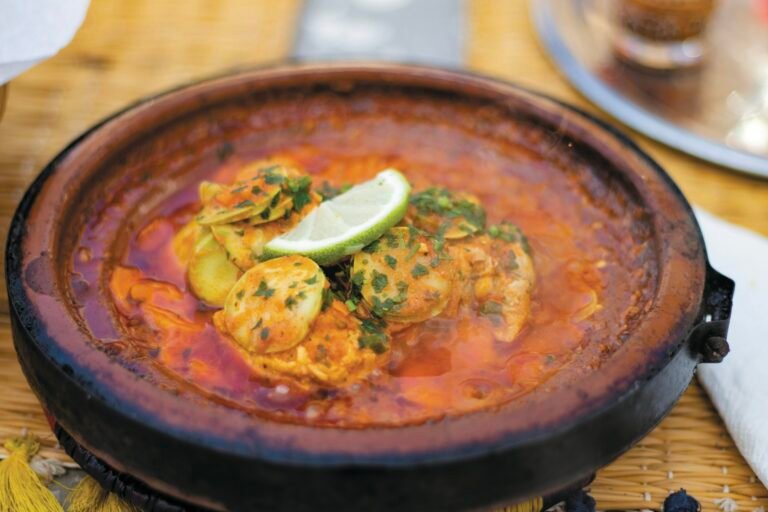
If couscous is the national symbol of Moroccan cuisine, then tagine is its beating heart. This dish is so varied that you could eat a different tagine every day for a month without repeating yourself. A tagine is essentially a slow-cooked stew, and it gets its name from the distinctive clay pot it’s cooked in—a earthenware vessel with a conical lid that traps steam and ensures even cooking.
Traditional tagines feature tender meat (usually lamb or chicken), combined with vegetables and often dried fruits. The chicken tagine with olives and preserved lemon is an absolute classic—juicy chicken thighs are marinated in Moroccan spices, then slow-cooked with green olives and preserved lemon until the chicken is so tender it practically falls apart. The sauce is rich and aromatic, infused with garlic, ginger, and cilantro.
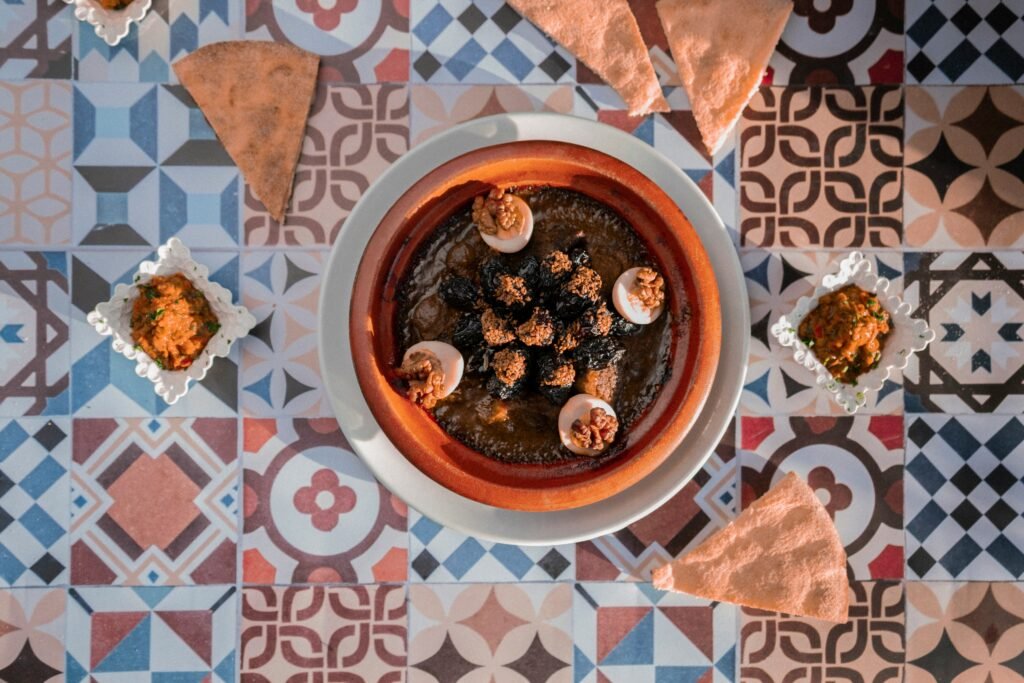
Then there’s the lamb and prune tagine, a sweet variation that combines savory lamb with dried fruit, creating an intriguing balance of flavors. Some tagines are purely vegetarian, featuring chickpeas, squash, and root vegetables in fragrant broths. The beauty of tagine is its flexibility—every region, every family, and every chef has their own interpretation.
Couscous: The Friday Family Tradition
Couscous holds a special place in Moroccan culture. Made from tiny granules of semolina, couscous is traditionally prepared on Fridays when families gather for the main meal of the week. The preparation is ceremonial: the couscous is steamed multiple times, each time being fluffed and mixed with butter or oil to achieve the perfect light, fluffy texture.
A proper couscous platter is beautiful to look at. Fluffy couscous forms the base, topped with a colorful array of stewed vegetables (carrots, zucchini, chickpeas, turnips, and cabbage), tender meat in a fragrant broth, and garnishes of cilantro and golden raisins. The accompanying broth, thick with spices and vegetables, is poured over everything. You’ll also find sweeter versions, prepared for special occasions, that feature caramelized onions, raisins, and almonds mixed right into the grains, creating a dish that’s almost dessert-like.
Harira: The Beloved Moroccan Soup
Harira is Morocco’s most comforting soup, and it has almost sacred status in the country. It’s the traditional soup served during Ramadan to break the daily fast, and families prepare it year-round for both everyday meals and special occasions. This isn’t a simple broth; it’s a complex, layered soup that brings together tomatoes, lentils, chickpeas, spices, and often meat or dried fruits.
A proper harira is thick, almost stew-like, with a wonderful tangy undertone from tomatoes and a warm spice profile featuring cumin, turmeric, and cinnamon. Some versions include shredded lamb or beef, while vegetarian versions skip the meat entirely. The health benefits are impressive too—it’s loaded with protein from the legumes, fiber, and nutrient-dense vegetables. It’s the kind of soup that warms you from the inside out and feels like a hug in a bowl.
Popular Moroccan Main Courses
Beyond tagines and couscous, Moroccan cuisine offers numerous other main courses that deserve your attention.
Pastilla: The Sweet and Savory Pastry
Pastilla (also spelled b’stilla) is one of Morocco’s most impressive dishes, and it’s often reserved for special occasions. This is a large pastry pie filled with meat (traditionally pigeon or chicken), eggs, and sometimes almonds, all seasoned with an intriguing mixture of spices including cinnamon. What makes pastilla special is the contrast between the crispy, buttery pastry exterior and the warm, spiced filling inside. Many Moroccan pastillas are dusted with powdered sugar and cinnamon on top, creating an interesting sweet-savory experience that surprises and delights the palate.
The preparation of pastilla is time-consuming and requires skill, which is why it’s traditionally served during weddings, celebrations, and other important gatherings. Some versions use seafood instead of meat, and you’ll find regional variations throughout Morocco. Eating pastilla is an experience—the pastry crackles between your teeth, releasing the fragrant filling within.
Lamb Kebabs with Preserved Lemon
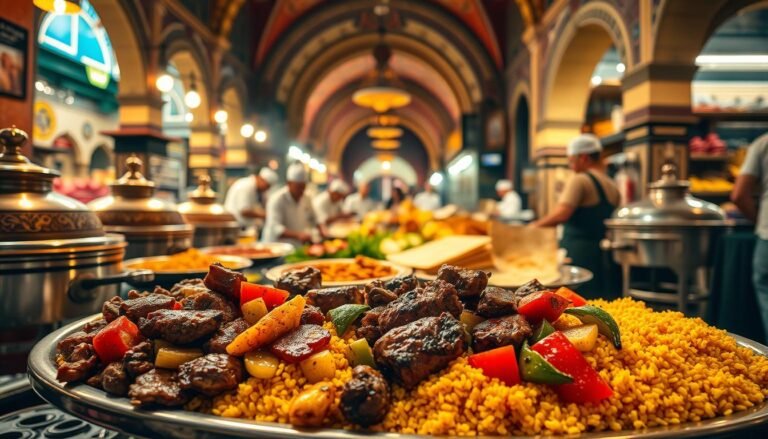
Moroccan kebabs are grilled perfection on a stick. Tender pieces of lamb are marinated in a blend of Middle Eastern spices, fresh herbs, and—you guessed it—preserved lemon. This marinade infuses the meat with flavor, making every bite burst with taste. The kebabs are grilled until the exterior is slightly charred and the interior remains juicy. They’re traditionally served with fresh bread, salads, and additional preserved lemon on the side, allowing you to customize your experience.
These kebabs represent the Ottoman influence on Moroccan cuisine, showing how culinary traditions from different empires have merged to create something uniquely Moroccan.
Appetizers and Side Dishes
No Moroccan meal is complete without appetizers and sides that prepare your palate for the main courses.
Zaalouk: Traditional Eggplant Dip
Zaalouk is a popular appetizer that showcases Moroccan vegetable-based cooking at its finest. This eggplant dip is made by roasting fresh eggplant until it’s soft and creamy, then mixing it with tomatoes, garlic, cilantro, cumin, paprika, and olive oil. The result is a smoky, complex dip that’s typically served at room temperature with warm bread for dipping.
What makes zaalouk special is that it can be served as an appetizer, as a salad alongside a main course, or even as a filling in a tagine. It’s naturally vegan and gluten-free, making it a wonderful option for various dietary preferences. The beauty of zaalouk lies in its simplicity—just a few quality ingredients transformed into something genuinely special.
Moroccan Salads and Dips
Moroccan cuisine includes numerous colorful salads that serve as side dishes and palate cleansers. The roasted beet salad is earthy and grounding, made simply with roasted beets, vinegar, olive oil, parsley, salt, and pepper. The carrot salad, often served grated with a bright orange-hue, combines shredded carrots with lemon juice, cumin, and cilantro for a refreshing side dish.
Then there’s the roasted pepper salad, made with beautifully charred bell peppers, tomatoes, and the standard aromatic spices. These salads are often served as part of the first course, allowing diners to nibble while the main courses are being finished.
Moroccan Soups and Stews
Beyond harira, Morocco’s soup culture is rich and diverse.
Bissara: Creamy Fava Bean Soup
Bissara is a creamy, comforting fava bean soup that’s traditionally eaten for breakfast or as a light lunch. The preparation is straightforward: dried fava beans are cooked until completely tender, then blended into a smooth, velvety soup. Garlic, cumin, and paprika provide the flavor profile, while a generous drizzle of olive oil adds richness. The result is a naturally vegan, gluten-free soup that’s both nutritious and delicious.
This soup embodies one of the great truths about Moroccan cuisine: you don’t need complicated techniques or exotic ingredients to create something truly wonderful. Sometimes, the simplest preparations yield the most satisfying results.
Rfissa: The Celebratory Stew
Rfissa is a special-occasion dish that represents Moroccan hospitality and celebration. This rich stew combines chicken, lentils, and fenugreek (a spice with a subtle maple-like flavor), all served over shredded msemen (a traditional crispy flatbread that’s been broken into pieces). The stew is hearty and warming, with layers of flavor that develop as it cooks.
Rfissa is traditionally prepared to welcome new mothers, celebrate births, or honor special guests. The combination of proteins, legumes, and spices creates a dish that’s both comforting and impressive.
Street Food Favorites
No food culture is complete without street food, and Morocco has some of the best.
Makouda: Golden Potato Fritters
Makouda are deep-fried potato fritters that are absolutely addictive. Shredded potatoes are mixed with fresh herbs and spices, formed into patties, and fried until golden and crispy. They’re served hot from the oil, often with a squeeze of lemon juice or a dollop of harissa on the side. You’ll find these everywhere in Morocco—at market stalls, food carts, and street vendors. They’re perfect for a quick snack or an accompaniment to a main meal.
Bagrir: Moroccan Pancakes
Bagrir are spongy semolina pancakes with a thousand tiny holes covering their surface, which is why they’re sometimes called “thousand-hole pancakes.” They’re made from a fermented batter that creates those characteristic air pockets. Traditionally served for breakfast or as a dessert, bagrir are drizzled generously with honey and melted butter, then eaten warm. The texture is light and spongy, almost cloud-like, making them addictive to eat.
How to Cook Moroccan Food at Home
Want to recreate these dishes in your own kitchen? Here’s what you need to know.
Essential Moroccan Cooking Techniques
The cornerstone of Moroccan cooking is patience. Many of the most iconic dishes require slow cooking, allowing flavors to develop and meld together. If you’re cooking a tagine, expect to dedicate time to this process—it’s not something you rush. The slow cooking not only develops flavor but also tenderizes tougher cuts of meat, making them fall-apart tender.
Temperature control is important when preparing Moroccan dishes. Low to medium heat is typically used for tagines and stews, allowing the liquid to reduce slowly while the ingredients cook gently. When you’re grilling kebabs or making fried dishes, higher heat is necessary to achieve the proper texture—a golden exterior while maintaining juiciness inside.
Layering flavors is another crucial technique. You’ll often see Moroccan recipes that involve marinating meat first, then browning it briefly before adding other ingredients. This building of flavors creates depth and complexity that simple one-step cooking can’t achieve.
Finding Quality Moroccan Ingredients
The good news? You don’t need to travel to Morocco to cook Moroccan food. Most Moroccan ingredients are now available in well-stocked supermarkets, especially in the international aisle. Preserved lemons, harissa, and ras el hanout are becoming increasingly common on grocery shelves.
For the best selection, seek out Middle Eastern or North African specialty markets in your area. These shops often have fresher spices and ingredients specifically imported from the region. Online retailers also offer excellent options if you don’t have a specialty market nearby. When buying spices, look for vibrant colors and buy from shops with good turnover—fresh spices make a noticeable difference in your cooking.
Health Benefits of Moroccan Cuisine
Beyond being incredibly delicious, Moroccan cuisine is genuinely good for you. The emphasis on vegetables, legumes, and lean meats (especially compared to Western diets) means these dishes are nutrient-dense and relatively low in processed ingredients.
The spices used throughout Moroccan cooking offer numerous health benefits. Turmeric, for instance, is known for its anti-inflammatory properties. Ginger aids digestion. Cumin provides antioxidants. Cinnamon helps regulate blood sugar. When you eat Moroccan food, you’re not just enjoying delicious flavors—you’re consuming ingredients that traditional medicine has valued for centuries.
The high fiber content from vegetables and legumes supports digestive health and helps maintain stable energy levels. The use of healthy olive oil as the primary fat is beneficial for heart health. Even the traditional practice of eating slowly, in a social setting, aids digestion and promotes mindful eating.
Frequently Asked Questions
What is the most popular Moroccan dish?
Tagine is arguably the most iconic Moroccan dish, known for its distinctive cooking vessel and endless variations. However, couscous is equally beloved and is considered Morocco’s national dish.
Can I make Moroccan food vegetarian?
Absolutely! Moroccan cuisine has wonderful vegetarian traditions. Vegetable tagines, couscous with chickpeas, zaalouk, and harira can all be prepared without meat and taste just as authentic and satisfying.
What makes Moroccan food so flavorful?
The combination of aromatic spices (cumin, cinnamon, ginger, saffron), slow-cooking methods, and the balance of sweet, savory, and tangy flavors creates the distinctive taste profile.
Are Moroccan dishes spicy?
Not necessarily. While some Moroccan dishes include harissa or hot peppers, many traditional dishes are aromatic and warm rather than fiery. You can always control the heat level when preparing them.
Where can I buy authentic Moroccan ingredients?
Specialty Middle Eastern or North African markets typically carry authentic ingredients. Many mainstream supermarkets now stock items like preserved lemons and ras el hanout. Online retailers are also excellent options.
Conclusion: Embrace the Flavors of Morocco
Moroccan cuisine is more than just food—it’s a celebration of culture, history, and the simple joy of sharing a meal with loved ones. From the slow-cooked perfection of a lamb tagine to the communal experience of a Friday couscous gathering, every dish tells a story and invites you to become part of Morocco’s culinary legacy.
Whether you’re exploring these dishes for the first time or revisiting flavors from a memorable trip to Morocco, remember that the true magic of Moroccan food lies not just in the ingredients or techniques, but in the spirit with which it’s prepared and enjoyed. It’s about taking time to honor the cooking process, gathering around a table with others, and experiencing food as a profound human connection.
Start your Moroccan culinary journey today. Pick a dish that captures your imagination, seek out the ingredients, and give yourself permission to spend a few hours in the kitchen creating something truly special. Your senses will thank you, and your dinner guests will be absolutely amazed.