Jemaa el Fna Square: How to Spend 1 Perfect Day
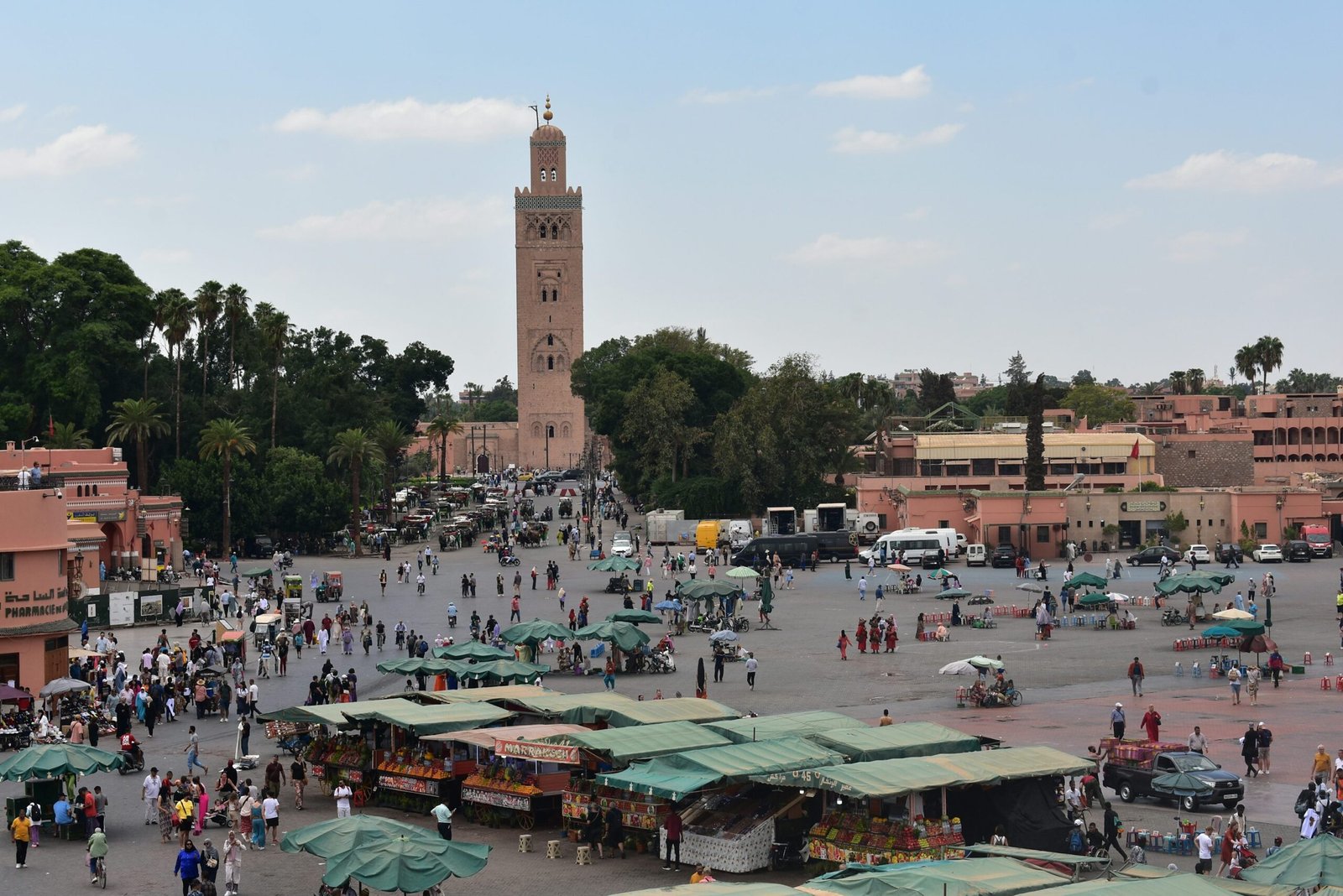
Jemaa el Fna Square stands as the vibrant heart of Marrakesh, a place that has captivated visitors for nearly a thousand years. The moment you enter this iconic plaza, the air hums with a unique energy—a blend of ancient traditions and the pulse of modern life. This is the authentic soul of Morocco’s most famous square.
This legendary gathering spot is more than just a tourist destination. It is a living, breathing cultural theater. Since the 11th century, this area has been a stage for storytellers, musicians, and performers. Their art brings Moroccan heritage to life every single day.
Your perfect day here will unfold like a story. The experience changes dramatically from the quiet morning to the explosive energy of night. You will witness a centuries-old tradition of public celebration that UNESCO recognized as a World Heritage masterpiece.
This guide will help you navigate this incredible market and cultural hub. You will learn the best times to visit for specific experiences. From sunrise to midnight, you can plan an unforgettable journey into the soul of Morocco.
Key Takeaways
- This historic square is a UNESCO World Heritage site, celebrated for its unique and enduring cultural significance.
- The atmosphere and activities in the area transform completely from day to night, offering two distinct experiences.
- It serves as a living museum of Moroccan culture, where ancient traditions continue to thrive in the present day.
- Strategic timing is key to experiencing everything from peaceful morning markets to vibrant nighttime performances.
- The square has demonstrated remarkable resilience, maintaining its cultural role through centuries of history.
- It is widely considered the essential heart of Marrakesh, a must-see for any visitor.
Unveiling the History and Cultural Tapestry
The story of this iconic plaza begins in the 11th century with the Almoravid dynasty’s founding of Marrakesh. Between 1070 and 1072, Abu Bakr ibn Umar established this space near the imposing Ksar el-Hajjar fortress. Originally called Rahbat al-Ksar, it served as a crucial gathering area.
Its name carries mysterious origins. Some translations suggest “assembly of the dead,” referencing possible public executions. Another theory points to “mosque of the dead,” relating to the Koutoubia Mosque’s partial collapse in the 18th century.
From Almoravid Beginnings to Colonial Influences
Under Ali ibn Yusuf (1106-1143), the square gained importance facing his palace’s eastern gate. It became a stage for justice proceedings and military displays. The Almohads’ 1147 conquest brought significant change when Abd al-Mu’min commissioned the legendary Koutoubia Mosque.
The French Protectorate (1912-1956) shaped the modern boundaries you see today. All surrounding buildings date from this colonial era. Preservation efforts began in 1922, showing early recognition of the area’s cultural value.
| Period | Key Development | Architectural Impact | Cultural Significance |
|---|---|---|---|
| Almoravid (11th century) | Square establishment | Near stone fortress | Ceremonial gatherings |
| Almohad (12th century) | Koutoubia Mosque construction | 70-meter minaret | Religious centerpiece |
| Saadian (16th century) | Planned Jemaa El Hana Mosque | Unfinished structure | Ambitious vision |
| French Protectorate (20th century) | Modern boundaries set | Current buildings | Preservation laws |
Legends and Architectural Mysteries
Sultan Ahmad al-Mansur’s 16th-century vision for a monumental mosque called “Jemaa El Hana” never materialized. Plague outbreaks and resource shortages doomed this ambitious project. The square has shown remarkable resilience through centuries of history.
An extensive renovation project continues with a January 2026 completion target. Supported by a 160 million dirham budget, this ensures the preservation of this UNESCO-recognized space for future generations.
Daytime Adventures at Jemaa el Fna Square
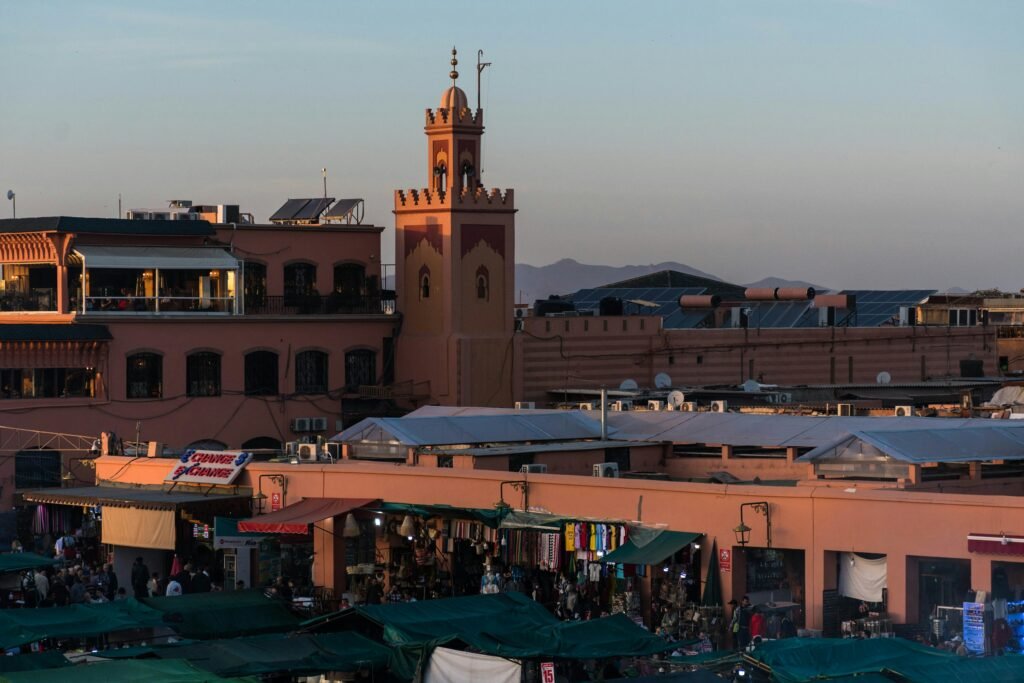
The daylight hours reveal a completely different character to this legendary gathering place. Your exploration should begin early to experience the plaza at its most tranquil state.
Morning Calm and Early Vendors
Orange juice vendors are typically the first merchants to arrive. They create vibrant displays with towering pyramids of fresh citrus fruits.
You’ll hear the haunting melodies of snake charmers’ flutes called rhaita. These musicians arrive with baskets of cobras, creating an exotic morning soundtrack.
Henna artists prepare their stations for intricate traditional patterns. African women offer hair braiding services, adding to the diverse personal care options.
Afternoon Markets and Mystics
Midday brings traditional healers with fascinating collections. They display ostrich eggs, dried chameleons, and homemade potions in mysterious bottles.
Fortune tellers arrange their charts and mystical charms with precision. They offer insights about your future through various divination methods.
Look for the curious street dentist proudly displaying extracted teeth. Water boys in bright red costumes carry traditional goatskins—they may charge for photos.
Evening Transformations and Nightlife Spectacles
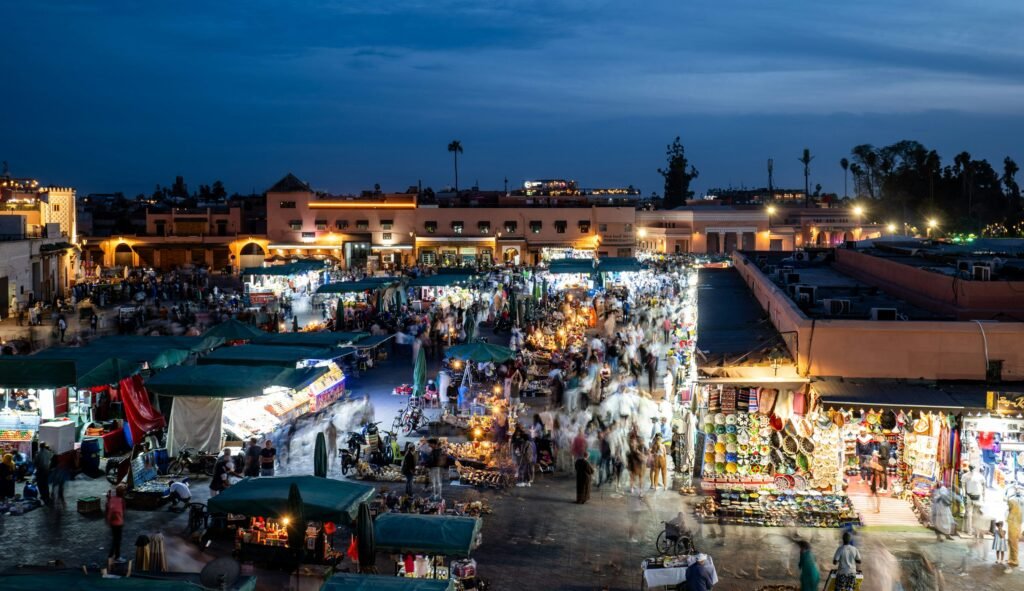
As dusk descends upon Marrakesh, the city’s main plaza undergoes a remarkable metamorphosis. The space transforms from a daytime market into a vibrant nighttime stage. This daily change begins around 4pm when food vendors start preparing for the evening rush.
Sunset Food Stalls and Music
You’ll witness more than 100 numbered food gazebos appearing in an organized grid. The air fills with intoxicating aromas of Moroccan spices as cooks prepare traditional dishes. This culinary transformation creates an unforgettable sensory experience.
Simultaneously, Amazigh troupes and Gnaoua musicians begin tuning their instruments. Their rhythmic music provides the soundtrack for the evening’s entertainment. Local crowds pour into the plaza from all directions, creating an electric atmosphere.
Halqa Performances and Storytellers
Audiences form intimate circles called halqa around various performers. You’ll see acrobats, jugglers, and comedians showcasing their talents. The most captivating entertainment comes from master storytellers who weave ancient tales in Darija.
These skilled narrators carry listeners to distant realms through their vivid storytelling. This tradition of oral performance earned UNESCO recognition in 2001. Local people particularly gravitate toward these authentic cultural experiences.
To get prime seating on makeshift stools around musician circles, arrive early in the evening. Women and elders typically receive preference according to local custom. The lively atmosphere continues until around 1am when the last performers pack up.
Savoring Authentic Moroccan Cuisine
Your taste buds are about to embark on an unforgettable journey through Morocco’s most vibrant food scene. As evening arrives, the main gathering place transforms into a massive open-air restaurant.
Street Food Highlights and Local Specialties
You’ll discover an incredible variety of traditional dishes served from numbered food stalls. The air fills with aromatic spices from bubbling tajines and sizzling brochettes.
Don’t miss the famous snail soup, a local specialty served from large steaming pots. For adventurous eaters, try skewered hearts or flash-fried fish. These authentic flavors showcase true Moroccan street food culture.
Recommended Food Stall Experiences
Follow the locals to find the best sellers. Visit stall number 1 run by Aicha for delicious harira soup and kebabs. Her hearty soup features tomatoes, lentils, and traditional spices.
For excellent seafood, head to stall 14 where you’ll find perfectly fried fish and calamari. After your meal, join the crowd at the copper tea urns for warming ginger tea called khoudenjal.
This spiced beverage comes with a dense, sticky cake that complements the tea’s cinnamon and cardamom flavors. Remember to use bread instead of utensils and choose stalls where locals gather for the most authentic experience.
Captivating Street Entertainment and Performances
The air vibrates with centuries-old entertainment traditions that continue to captivate modern visitors. Since the 11th century, this space has hosted non-stop street theater known as halqa, where performers create intimate circles of wonder.
By mid-morning, the distinctive sound of snake charmers‘ flutes fills the atmosphere. Traditional Amazigh musicians and spiritual Gnaoua troupes provide the musical backdrop throughout the day. Water-sellers in traditional costumes add rhythmic percussion with their brass cups.
Live Music, Dance, and Theatrical Acts
Acrobats perform impressive feats while dancers showcase traditional movements. One of the most popular attractions involves theatrical acts where men perform dressed as women, creating comedic scenes that draw large crowds.
You’ll also discover the unique street game called bottle fishing. Players use fishing rods with rings to catch plastic bottles arranged in circles. This lively competition attracts both locals and visitors.
Be aware that artists are very attentive to audience participation. If you take photos of musicians or dancers, they will notice and expect a small tip. Always keep coins handy to show appreciation for their work.
Unfortunately, some entertainment involves ethical concerns. You may see monkeys dressed in costumes and led on chains. The practices of snake charmers are also questionable, as many snakes are reportedly mistreated.
Recently, eagles chained for photos have appeared. It’s advisable to avoid supporting these animal exhibitions. Instead, focus on the human performers who preserve Morocco’s rich cultural heritage through their art.
Insider Tips for Navigating Jemaa el Fna Square
Navigating this bustling cultural hub requires some savvy preparation to ensure your experience remains positive and memorable. These practical tips will help you navigate the vibrant chaos with confidence.
Safety, Etiquette, and Money-Saving Advice
Stay alert to traffic around the perimeter at any time of day. Cars are banned after 2pm, but motorbikes and carriages still move quickly. Keep your valuables secure against pickpockets, especially after sunset.
Always carry small coins for tipping performers. A few dirhams is appropriate when you watch shows or take photos. Respect local customs by arriving early for prime seating around musician circles.
| Smart Practice | Potential Pitfall | Benefit |
|---|---|---|
| Carry small coins for tips | Using large bills for small payments | Easy transactions with performers |
| Choose stalls with locals | Following pushy menu sellers | Authentic food experience |
| Arrive early for performances | Coming at peak crowded times | Better viewing positions |
| Keep valuables secured | Carrying phones in back pockets | Prevent theft in crowds |
Avoiding Common Tourist Pitfalls
Be selective with food vendors. Avoid pushy operators and choose stalls where locals eat. This ensures authentic Moroccan street food quality.
“The real magic happens when you observe local customs and move at the pace of the place itself.”
Women may encounter unwanted comments. Staying neutral and not engaging is the most effective response. Focus on the incredible cultural experiences around you.
Ethical considerations are important. Avoid animal exhibitions with chained monkeys or questionable snake handling. Support human performers who preserve authentic traditions in this remarkable area.
Cultural Insights and Preservation Efforts
International recognition has played a crucial role in preserving the living traditions of Marrakesh’s main gathering place. This vibrant area earned UNESCO designation as a Masterpiece of the Oral and Intangible Heritage of Humanity in 2001.
The path to protection began when Spanish writer Juan Goytisolo witnessed development threats in 1996. His advocacy sparked urgent international action to safeguard this cultural space.
The Role of UNESCO and Heritage Projects
UNESCO’s recognition formalized in 2008, acknowledging Jemaa el-Fna as a unique concentration of Moroccan traditions. The organization has flagged the square as under “serious threat” from urbanization.
Preservation efforts include a 2004-2008 project funded by Japan that established workshops in local schools. These programs teach traditional performance art forms to new generations.
Hope continues through emerging schools and cultural festivals designed to breathe new life into threatened art. The Museum of Intangible Cultural Heritage opened directly on the square in February 2023, dedicated to preserving endangered traditions.
Conclusion
Your experience at Jemaa el Fna Square offers something increasingly rare in our digital age: authentic, unmediated cultural encounters. This UNESCO treasure connects you directly with living traditions that have flourished for nearly a thousand years.
The square functions as far more than a tourist attraction. It serves as Morocco’s living cultural archive, where ancestral expressions thrive in modern contexts. Your perfect day reveals morning tranquility transforming into evening spectacle.
You’ll understand why locals say you haven’t truly seen Marrakech without visiting this remarkable place. The memories you create here demand sensory immersion—listening, tasting, and observing—for genuine understanding.
This gathering place embodies cultural endurance at its finest. It demonstrates how centuries-old traditions can continue to educate and enchant visitors while maintaining their vital role in community life.
FAQ
What is the best time to visit Jemaa el Fna?
You should visit in the late afternoon and evening. The space truly comes alive after sunset. During the day, you can explore the market stalls, but the main entertainment like storytellers and musicians begins at dusk.
Is it safe to eat the street food at the stalls?
Yes, it is generally safe. Look for vendors with high turnover and lots of locals. Popular dishes like harira soup and snail broth are freshly prepared. Just use common sense and watch how food is handled.
What kind of entertainment can I expect to see?
You will find a vibrant circle of performers. This includes traditional musicians, henna artists, fortune tellers, and acrobats. The ancient art of storytelling, or halqa, is a highlight where crowds gather to listen.
How should I handle vendors and performers asking for money?
It’s polite to negotiate prices beforehand for goods. For taking photos of performers like snake charmers, a small tip is expected. Always agree on the amount before you take a picture to avoid misunderstandings.
What is the significance of the Koutoubia Mosque to the square?
The mosque’s minaret is a historic landmark that overlooks the entire area. It serves as a beautiful backdrop and a key orientation point. Its presence connects the square’s modern life to the city’s deep history.
Are the monkeys and snakes treated ethically?
This is a concern for many visitors. Animal welfare standards can vary. It is a personal choice whether to engage with these attractions. Many tourists prefer to observe the human cultural acts instead.
What is UNESCO’s role in preserving this place?
UNESCO declared the square a Masterpiece of the Oral and Intangible Heritage of Humanity. This status helps protect the unique cultural expressions, like the oral storytelling traditions, from being lost over time.