Casablanca attractions: Why These 4 Are Famous
Casablanca attractions offer an incredible blend of modern architecture, rich history, and coastal charm that makes this Moroccan city a must-visit destination. Have you ever arrived in a new city and felt that immediate sense of wonder? That feeling when you step off the plane and realize you’re about to discover something truly special—this is exactly what awaits you in Morocco’s largest urban center.
The White City stands as one of Africa’s most significant destinations, blending modern metropolitan energy with timeless cultural treasures. Located on the Atlantic coast, this vibrant place serves as Morocco’s economic powerhouse while maintaining deep historical roots.
This guide helps you understand what makes this Moroccan destination unique compared to other cities. You’ll discover why certain landmarks have earned worldwide recognition and deserve a spot on your travel itinerary.
Whether you’re planning a quick stopover or an extended visit, we’ll show you how to make the most of your time exploring this bustling metropolis. Get ready to experience architectural marvels, coastal beauty, and cultural richness that will leave lasting memories.
Key Takeaways
- Casablanca serves as Morocco’s economic capital and largest urban center
- The city blends modern energy with rich historical and cultural heritage
- Its Atlantic coast location offers unique coastal beauty alongside urban attractions
- This guide focuses on four specifically famous landmarks worth visiting
- You can experience the city’s highlights whether you have a short or long stay
- The destination offers a different experience compared to other Moroccan cities
- Understanding the city’s dual identity helps appreciate its unique character
Introduction to Casablanca’s Timeless Charm
What if the city you imagined from the silver screen transforms into something entirely different upon arrival? The famous 1942 movie starring Humphrey Bogart created worldwide expectations of romantic intrigue. Many people arrive expecting that cinematic vision.
Instead of immediate visual splendor, this city reveals its beauty gradually. Unlike Marrakech‘s instant impact, the charm here unfolds over time. You’ll discover authentic local experiences beyond the initial concrete landscape.
The table below shows how expectations differ from reality:
| Movie Expectations | Actual Experience | Key Difference |
|---|---|---|
| Romantic 1940s atmosphere | Modern business metropolis | Contemporary urban energy |
| Immediate visual appeal | Gradual charm discovery | Slow-revealing beauty |
| Tourist-focused setting | Working city authenticity | Genuine cultural encounters |
This city asks you to look beyond first impressions. Spending two days allows the peculiar charm to emerge. You’ll find the real magic in quiet corners and daily rhythms.
The world knows this destination from cinema, but the reality offers a lot more depth. Patient explorers discover authentic beauty that movies cannot capture.
Casablanca Attractions: A Local’s Guide
How do you uncover the real character of a city when your time is limited to just two days? This guide provides the insider knowledge you need to maximize your brief visit. You’ll discover how to experience the destination like someone who understands its daily rhythm.
Your short trip requires careful planning to balance must-see landmarks with authentic local encounters. The city functions primarily as Morocco‘s economic engine, yet contains fascinating spots that reveal its cultural depth. You’ll learn where to go at different times of day for optimal experiences.
This curated approach helps you navigate beyond obvious tourist spots. You’ll find hidden gems that showcase the true spirit of this working metropolis. The guide emphasizes practical insights for efficient exploration.
Within your limited days, you can experience architectural wonders, historical neighborhoods, and coastal beauty. The key is structuring your itinerary to include both planned visits and spontaneous discovery. This balance creates a genuine cultural immersion.
While Casablanca offers a different magic than other Moroccan cities, its unique authenticity deserves your attention. With this local perspective, your brief visit becomes a rich encounter with Morocco’s contemporary heart. You’ll leave with memories that go beyond typical tourist experiences.
Hassan II Mosque: Iconic Grandeur in Casablanca
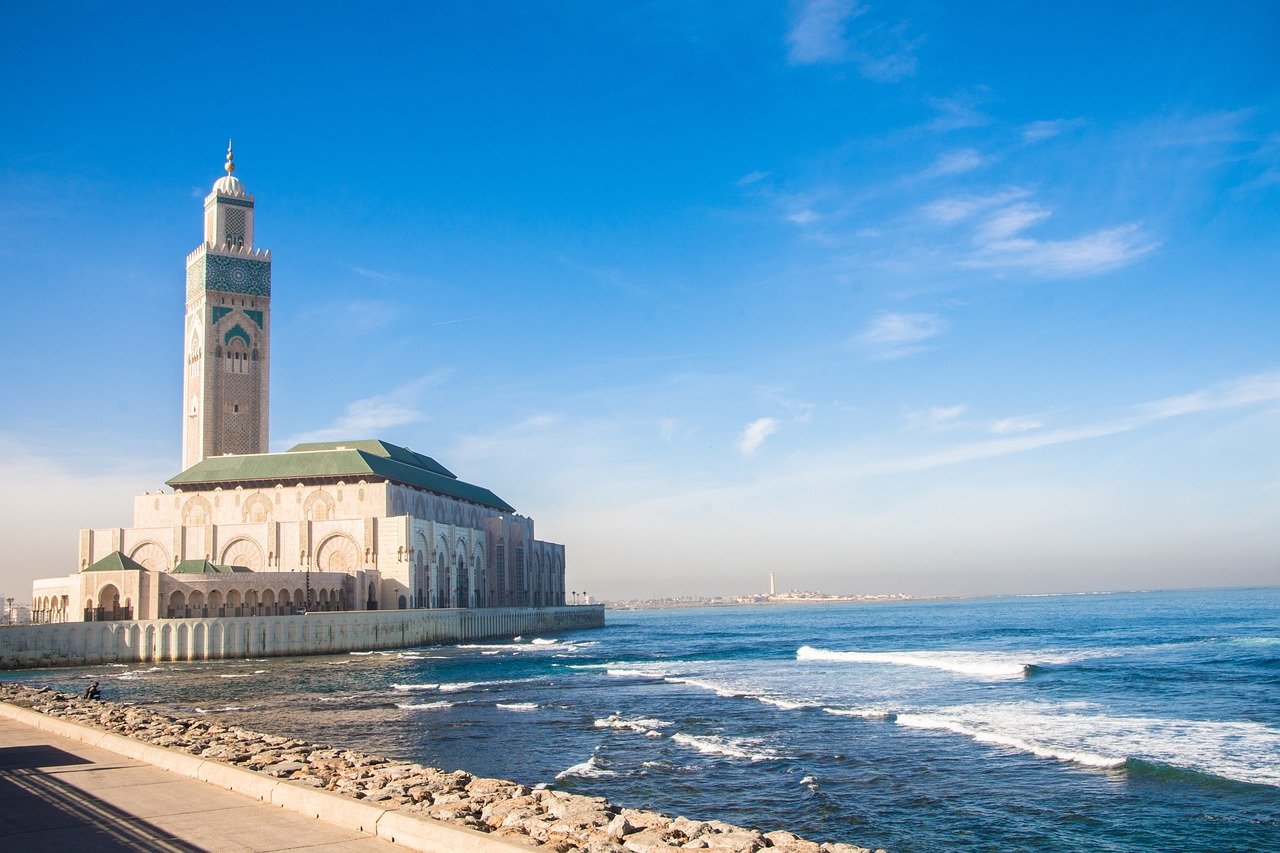
Can a single building define an entire city’s identity and become its most recognized landmark worldwide? The Hassan II Mosque answers this question with breathtaking certainty. This architectural masterpiece stands as Africa’s largest mosque and the world’s third-largest religious structure.
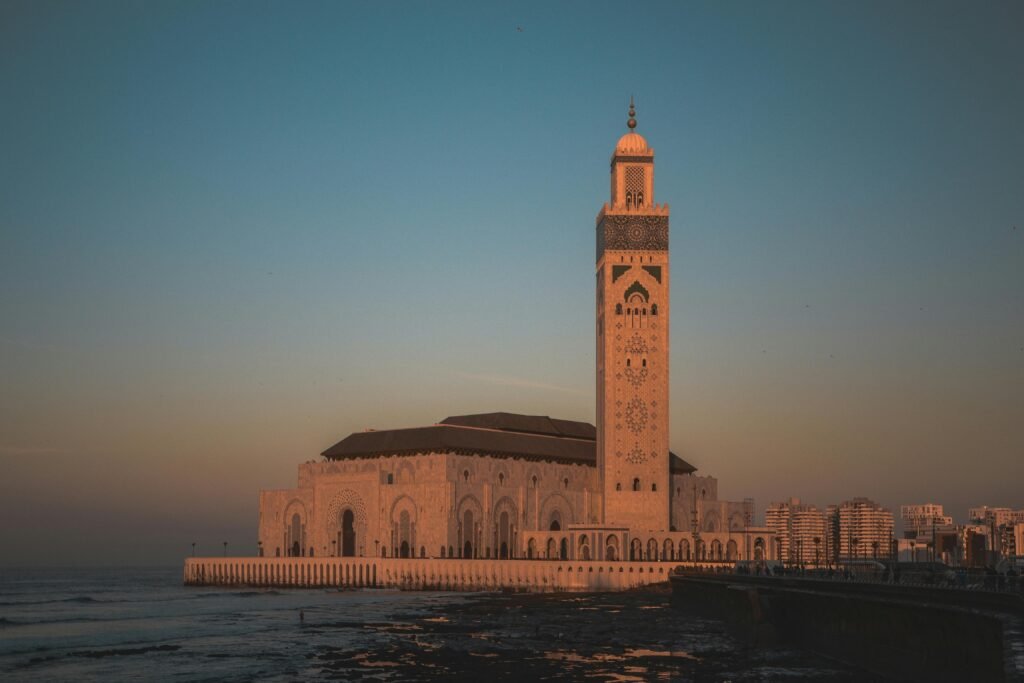
The mosque’s dramatic location at the water’s edge creates an unforgettable first impression. Its 210-meter minaret dominates the skyline, visible from throughout the city area.
Architectural Wonders and Cultural Significance
Built to commemorate King Hassan II’s 60th birthday, this building showcases Moroccan craftsmanship at its finest. The interior features pristine marble floors, hand-carved stone details, and gold-leafed cedar ceilings.
A remarkable retractable roof allows natural light to flood the prayer hall during appropriate times. The space accommodates 25,000 people inside with room for 80,000 more in the outdoor area.
Visitor Guidelines and Tour Tips
This is one of few mosques worldwide welcoming non-Muslim visitors inside. Guided tours operate between prayer times at 9am, 10am, 11am, 12pm, 3pm, and 4pm.
Tours last approximately one hour and cost 130 MAD for adults. Dress respectfully by covering knees and upper arms. The location is a 30-minute walk from Casa Port station or a short taxi ride.
The Old Medina and New Medina: A Walk Through History
What secrets lie within the ancient walls that connect this city’s past and present? The historic medinas offer a fascinating journey through time. These neighborhoods provide authentic cultural experiences beyond the famous landmarks.
Walking through these areas reveals the true heartbeat of daily life. You’ll discover a world where tradition meets contemporary living.
Exploring the Labyrinthine Streets
The Old Medina features narrow, winding streets that create an enchanting maze. Unlike other Moroccan medinas, this area is easier to navigate. Each turn reveals new discoveries and hidden corners.
You’ll find small shops lining the pathways. The atmosphere feels like stepping back in time. Yet you remain in the heart of the modern city.
Local Markets and Hidden Treasures
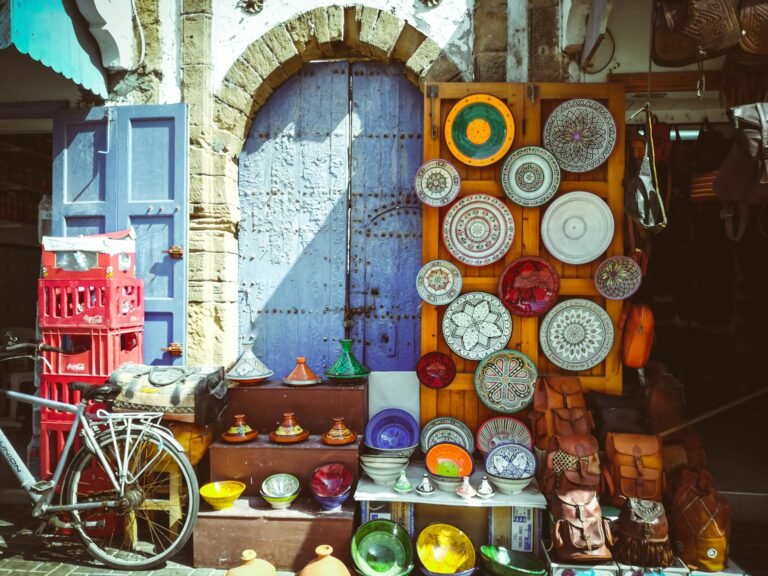
Both medinas boast vibrant markets filled with unique items. The Old Medina’s open-air market offers everything from traditional food to handmade crafts. You can find antiques, wooden statues, and vintage memorabilia.
The New Medina, also called Habous Quarter, presents a more organized shopping experience. Locals and tourists alike shop for trinkets, fabrics, and fresh produce. The prices here are generally fair for quality goods.
| Feature | Old Medina | New Medina (Habous) |
|---|---|---|
| Atmosphere | Labyrinthine, traditional | Organized, spacious |
| Shopping Experience | Open-air market stalls | Structured shops and markets |
| Best For | Authentic finds and exploration | Souvenirs and traditional items |
Haggling is normal and expected in both market areas. Embrace getting slightly lost in the streets. This often leads to the most memorable discoveries and genuine interactions.
Historical Insights into Casablanca’s Evolution
The modern metropolis you see today has roots stretching back over a thousand years. This city began as a Berber settlement named Anfa in the seventh century. It served as a vital port for Phoenician and Roman traders, connecting it to the ancient world.
During the 14th century, the town grew in importance under the Berber Merinid dynasty. It became an independent port and, for a bit, a safe harbor for pirates. This drew the attention of the Portuguese, who destroyed the town in 1468.
The Portuguese returned in 1515 to build a military fortress. The village that grew around it was called “Casabranca,” or “White House.” They abandoned the area after the devastating 1755 earthquake.
Each layer of history has left an indelible mark on the city’s character, from its ancient Berber foundations to its colonial-era economic boom.
Sultan Mohammed ben Abdallah later rebuilt the city, giving it the Arabic name ad-Dār al-Bayḍāʼ. A pivotal moment came in 1907. French attempts to build a railway near the port, passing through a graveyard, sparked riots.
French troops landed, beginning a colonial period. Under Governor Hubert Lyautey, the city was transformed into Morocco’s economic home and Africa’s largest harbor. This table summarizes the key transitions:
| Time Period | Major Event | Lasting Impact |
|---|---|---|
| 7th Century | Berber settlement (Anfa) | Original foundation as a port |
| 15th-18th Century | Portuguese occupation & naming | Origin of the “White House” name |
| Early 20th Century | French colonization | Establishment as an economic hub |
This rich history explains why the city feels like a blend of many influences. Taking time to understand this past adds a bit more depth to your visit. You see it not just as a town, but as a place with a story.
Savoring Moroccan Flavors: Food and Dining Experiences
How does a city’s true character reveal itself through its culinary traditions? The local food scene offers one of the most authentic ways to connect with Moroccan culture. You’ll discover aromatic spices, fresh ingredients, and time-honored recipes that tell stories of generations.
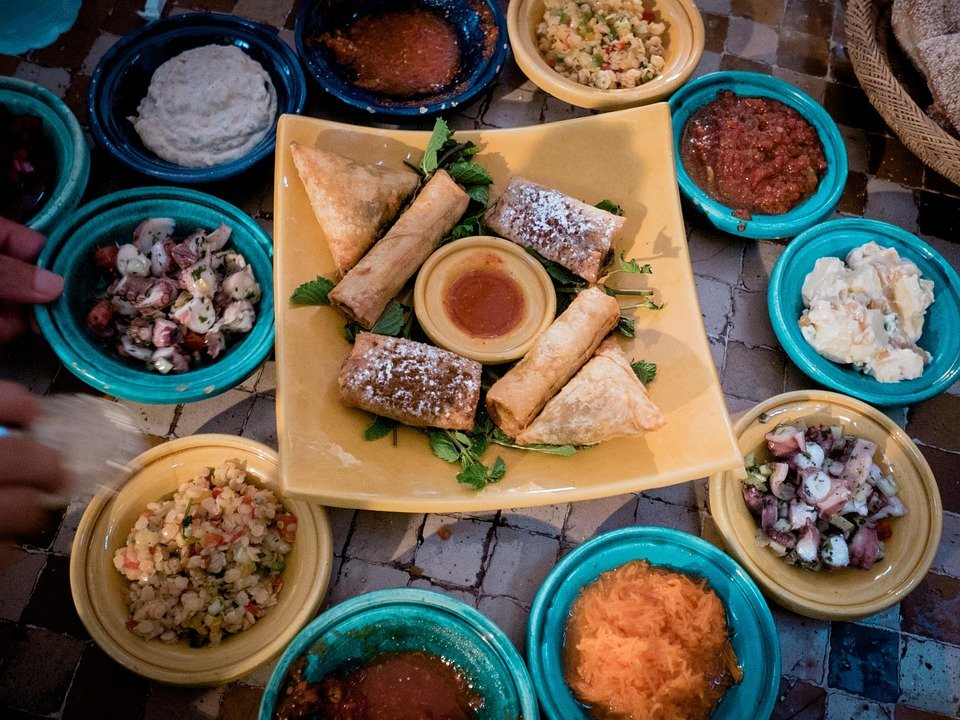
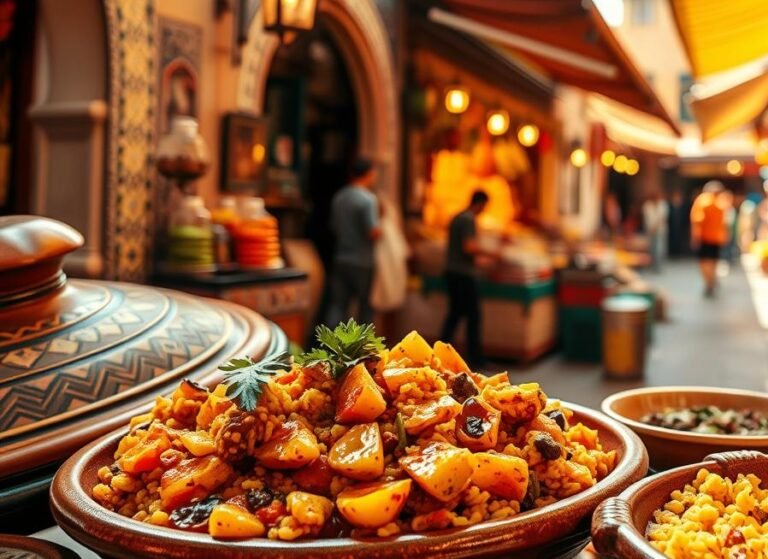
Traditional moroccan food showcases the country’s rich heritage. Must-try dishes include the famous tajine, where lamb simmers slowly with preserved lemons and olives. The result is exceptionally tender meat that falls off the bone.
Traditional Moroccan Cuisine and Must-Try Dishes
Beyond the tajine, you’ll find couscous prepared with seven vegetables and delicate pastilla filled with pigeon meat. Don’t miss sampling fresh seafood from the Atlantic coast.
The dining experience extends beyond the meal itself. Sharing sweet mint tea becomes a social ritual. Many cafes serve strong coffee alongside traditional pastries.
Iconic Dining Spots like Rick’s Café
For a memorable night out, visit Rick’s Café. This famous restaurant recreates the bar from the classic movie starring Humphrey Bogart. The location features a 1930s piano and elegant balconies.
The restaurant serves both lunch and dinner daily. You can enjoy affordable meals while listening to live jazz. Other excellent restaurants include Chez El Kabbaj and Sqala, each offering unique atmospheres.
Whether you choose a cozy cafe or elegant dining place, the city’s food scene promises unforgettable experiences. The blend of traditional moroccan food and international influences creates a diverse culinary landscape.
Unveiling Architectural Marvels and Royal Palaces
Beyond the famous mosques and bustling markets lies a different dimension of architectural discovery. This city’s diverse heritage includes Islamic palaces, Catholic churches, and Jewish museums that reflect its multicultural history.
The Royal Palace Exteriors and Surroundings
The Royal Palace stands as an important historical landmark in the Habous district. Although the interior remains closed to the public, you can admire the majestic decorated gate from outside.
The surrounding garden area creates an atmosphere of tranquility with orange trees and palm trees. Guards ensure security while you appreciate this royal location.
Exploring the Museum of Moroccan Judaism
This museum holds unique significance as the only one of its kind in the Arab world. Housed in a charming garden villa, the building once served as a Jewish orphanage.
The collection covers Jewish history in Morocco through artifacts and photographs. You’ll see religious items, Berber jewelry, and a reconstructed 1930s synagogue.
Practical tip: Call ahead since the museum sometimes closes for security reasons. This bit of planning ensures you don’t miss this special place.
| Architectural Site | Key Feature | Visitor Access |
|---|---|---|
| Royal Palace | Ornamental gates and luxury gardens | Exterior viewing only |
| Museum of Moroccan Judaism | Jewish historical artifacts and synagogue | Open with occasional closures |
| Notre Dame de Lourdes | Stained glass walls and concert space | Generally open to public |
Notre Dame de Lourdes Cathedral offers another architectural contrast with its striking design. The interior features floor-to-ceiling stained glass creating spectacular light effects.
This Catholic building occasionally hosts concerts with religious or classical music. The experience adds another layer to the city’s cultural attractions.
Navigating Casablanca: Transportation and Travel Tips
Understanding your mobility options before you land ensures a stress-free start to your journey. Morocco’s busiest airport offers several efficient ways to reach the city center.
Airport Transfers and Local Taxi Insights
The underground train station at Mohammed V International Airport provides direct service to central locations. Your trip takes about 45 minutes with regular departures throughout the day.
For budget-conscious travelers, the CTM bus from terminal 1 offers an economical alternative. Taxi services are readily available outside arrivals, though you should agree on the fare beforehand.
| Transport Method | Travel Time | Cost (MAD) | Best For |
|---|---|---|---|
| Airport Train | 45 minutes | 42 | Convenience & reliability |
| CTM Bus | 45 minutes | 20 | Budget travelers |
| Taxi | 45 minutes | 250-300 | Direct to hotel |
Useful Tips for a Smooth Journey
Exchange only a small amount at airport bureaus—better rates await near Casa Port station. Download offline maps while connected to your hotel wifi for seamless navigation.
Learning basic French or Moroccan Arabic phrases improves interactions with taxi drivers. Always negotiate taxi fares before starting your ride to avoid surprises.
Planning your airport transfers in advance minimizes stress after long flights. These simple preparations make exploring downtown areas much smoother.
Embracing the Vibrant Street Life and Night Markets
When the sun sets, a different energy pulses through the city’s veins. The daytime hustle transforms into an evening spectacle. You’ll find the street life here offers an authentic urban experience.
Throughout the day, the sounds of haggling vendors and busy people create a constant soundtrack. Street performers gather in common areas, putting on spontaneous shows. These activities provide free entertainment and reveal the city’s working-class culture.
As darkness falls, the atmosphere shifts dramatically. Trendy nightclubs, cocktail lounges, and fashionable bars begin their evening activities. The night markets become particularly animated, with locals coming out to socialize and shop.
This area serves as a social hub where people connect beyond commerce. You can enjoy the cooler temperatures while immersing yourself in the community spirit. There’s a lot to discover after dark.
Stay aware of your surroundings while embracing the energetic atmosphere. The contrast between day and night reveals different aspects of local culture. Each visit to the street offers a new experience.
Experiencing Coastal Beauty at the Corniche and Beyond
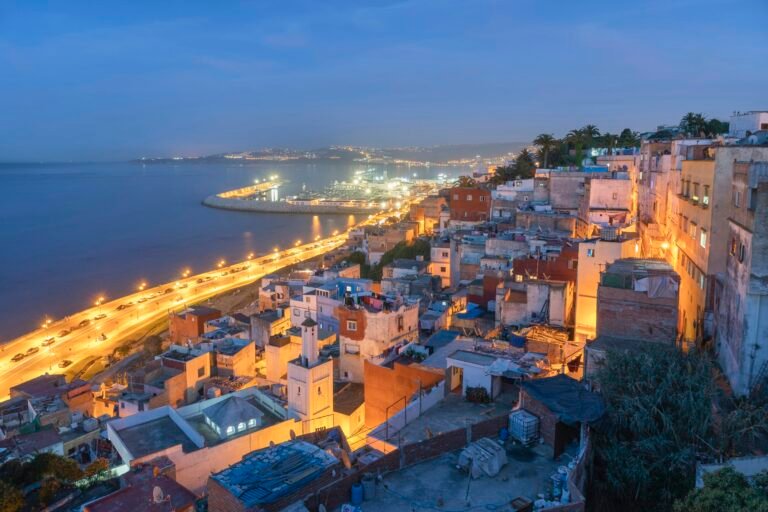
How does a coastal promenade become the social heart of a modern metropolis? The five-mile Corniche serves as the city’s vibrant seaside avenue, connecting iconic architecture with natural beauty. This stunning location offers diverse experiences from sunrise to midnight.
Strolling Along the Seafront and Enjoying the Views
Your daytime experience begins with a gentle stroll along the Atlantic coast. The walking path provides spectacular views of the ocean and city skyline. You’ll discover excellent beach areas perfect for sunbathing or water sports.
Innovative sea pools built along the water‘s edge allow safe swimming away from strong waves. Luxury hotels open their swimming pools to visitors seeking refreshment. The clear waters and sandy beaches create an ideal daytime retreat.
Evening Entertainment and Seaside Attractions
As sunset approaches, the atmosphere transforms completely. Seaside restaurants serve fresh seafood with ocean views. Trendy nightclubs and beach clubs begin their evening activities.
The table below shows how the Corniche offers different experiences throughout the day:
| Time of Day | Primary Activities | Best Features |
|---|---|---|
| Morning/Daytime | Walking, swimming, water sports | Sea pools, beach relaxation |
| Evening/Night | Dining, clubbing, socializing | Restaurants, nightlife venues |
Plan your visit for weekdays to avoid weekend crowds. This coastal location truly becomes your home for experiencing the city’s dynamic energy. The Corniche offers countless things to enjoy from morning until night.
Conclusion
What makes some destinations reveal their true character only to those willing to look beyond the obvious? This city rewards patient explorers with authentic experiences that unfold like a whispered story.
Your trip to this Moroccan metropolis offers a different kind of journey. Unlike more theatrical destinations, the beauty here reveals itself gradually. Taking time to discover the hidden corners creates the most meaningful memories.
This guide serves as your starting point for personal exploration. The famous attractions represent different facets of the city‘s identity. Yet the best moments often come from spontaneous encounters.
Whether you have two days or more, you’ll find this place has a lot to offer. Embrace the working metropolis atmosphere where real life continues around you. Your visit will leave you with more than just photos.
You’ll carry memories of quiet moments, delicious flavors, and genuine connections. These things transform a simple day trip into an epic travel experience that stays with you long after you return home.
FAQ
What is the best way to get from Mohammed V Airport to the city center?
You can take an ONCF train directly from the airport to Casa-Voyageurs station. It’s affordable and efficient. Taxis are also available, but agree on a price before you get in to avoid surprises.
Is it necessary to book a tour for the Hassan II Mosque?
Yes, you must join a guided tour to see the interior of this magnificent mosque. Tours run at specific times, so it’s wise to check the schedule in advance. The architecture is breathtaking.
What are the must-try dishes for someone new to Moroccan food?
You should definitely try a tagine, a slow-cooked stew, and couscous. Don’t miss sipping sweet mint tea. For a unique experience, visit a spot like Rick’s Café, inspired by the classic movie.
How much time should I spend exploring the Old Medina?
Plan for at least a half-day to wander the narrow streets and explore the market. You can find beautiful handicrafts and enjoy the vibrant street life. It’s a great place to soak up the local culture.
What is the best area to stay in for first-time visitors?
Staying near the city center or the Corniche offers easy access to major sites, restaurants, and the beach. This location provides a good balance of convenience and scenic views of the sea.
Can I visit the Royal Palace in Casablanca?
The Royal Palace itself is not open to the public. However, you can admire its impressive exterior architecture and the surrounding gardens, which are quite spectacular.