
Aicha Moroccan Cuisine: A Culinary Journey Through Morocco’s Rich Flavors
Have you ever tasted a dish that transports you through time and space with a single bite? That’s exactly what happens when you experience Aicha Moroccan cuisine. Picture this: tender lamb falling off the bone, infused with spices that have traveled ancient trade routes, served in a clay pot that’s been used for centuries. It’s not just food—it’s a story told through flavor.
What Makes Aicha Moroccan Cuisine So Special?
What sets Aicha apart from the hundreds of Moroccan restaurants dotting global cities? It’s the unwavering commitment to authenticity while embracing the warmth of hospitality that defines Moroccan culture. When you step into an Aicha establishment—whether it’s the cozy San Francisco location on Polk Street or a bustling stall in Marrakech’s Jemaa el-Fna—you’re not just a customer; you’re family. The aroma of simmering tagines, the sound of bread being baked fresh, and the sight of colorful salads arranged like artwork on ceramic plates create an immersive experience that satisfies all senses.
The magic lies in the details. Every spice is measured with intention, every vegetable is chopped with care, and every piece of meat is tenderized through slow cooking methods passed down through generations. It’s this dedication that transforms simple ingredients into extraordinary meals.
The Story Behind Aicha Moroccan Cuisine
A Legacy Rooted in Tradition
The name “Aicha” resonates deeply in Moroccan culture—it’s a name associated with strength, warmth, and nurturing. While the specific origins of Aicha Moroccan cuisine as a brand remain grounded in family tradition, the philosophy mirrors the story of countless Moroccan matriarchs who’ve preserved culinary heritage through oral recipes and hands-on teaching. These women, often called “Hajja” or “Lalla” as a sign of respect, are the true guardians of Moroccan gastronomy.
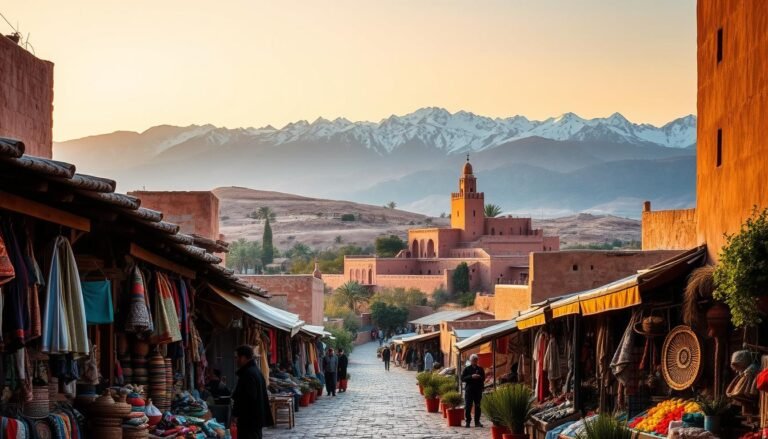
Think of Moroccan cuisine as a vast, intricate tapestry. Each region adds its own thread—Fes contributes refined techniques, Marrakech brings bold spices, the coastal areas introduce seafood elements, and the Berber communities contribute ancient grain preparations. Aicha weaves these threads together, creating a cohesive narrative that honors each tradition while presenting a unified story.
From Marrakech to the World
How does a cuisine born in North African medinas conquer palates worldwide? The journey of Aicha Moroccan cuisine exemplifies this global expansion. Starting from humble beginnings in Morocco’s imperial cities, the concept has traveled across oceans, adapting to local contexts while maintaining its soul. The San Francisco location, for instance, has become a beloved institution where tech workers and food enthusiasts alike discover that Moroccan food isn’t just about exotic spices—it’s about community.
This expansion isn’t about diluting authenticity; it’s about sharing a cultural treasure. When you taste the chicken bastilla at Aicha, with its delicate balance of savory chicken, eggs, and almonds topped with powdered sugar and cinnamon, you’re experiencing the same flavor profile that has delighted Moroccan families for centuries during wedding celebrations and Eid festivities.
Signature Dishes That Define Aicha
The Art of the Tagine
If Moroccan cuisine had a crown jewel, the tagine would wear it proudly. But what exactly is a tagine? It’s both a cooking vessel and the dish prepared within it. The conical clay pot acts like a primitive pressure cooker, circulating steam and infusing every ingredient with concentrated flavor. At Aicha, the tagine isn’t rushed—it’s respected.
Lamb Tagine with Almonds and Prunes
Imagine lamb so tender that your fork barely needs to touch it before the meat surrenders. This signature dish exemplifies the Moroccan mastery of balancing sweet and savory. The lamb simmers for hours with caramelized onions, plump prunes that have soaked up the spiced broth, toasted almonds for crunch, and a blend of spices that includes cinnamon, ginger, and saffron. Each bite tells a story of desert caravans and oasis feasts. Customers at Aicha’s San Francisco location consistently rave about this dish, with one reviewer noting the lamb “literally fell off the bone” as they started cutting with a fork.
Chicken Tagine with Preserved Lemons
Preserved lemons are Morocco’s secret weapon—transforming from sharp citrus into complex, soft, salty-sour flavor bombs through months of fermentation in salt and lemon juice. When combined with green olives, garlic, saffron, and tender chicken, they create a dish that’s simultaneously bright and deep. It’s the culinary equivalent of a Moroccan sunset—vibrant yet soothing. This tagine represents the sophistication of Fassi cuisine, where precision in spice blending elevates humble ingredients.
Couscous: The Heart of Moroccan Dining
Friday in Morocco smells like couscous. The entire nation participates in this weekly ritual where families gather after midday prayers to share from a communal dish. At Aicha, couscous isn’t a side dish—it’s the main event.
Seven Vegetables Couscous
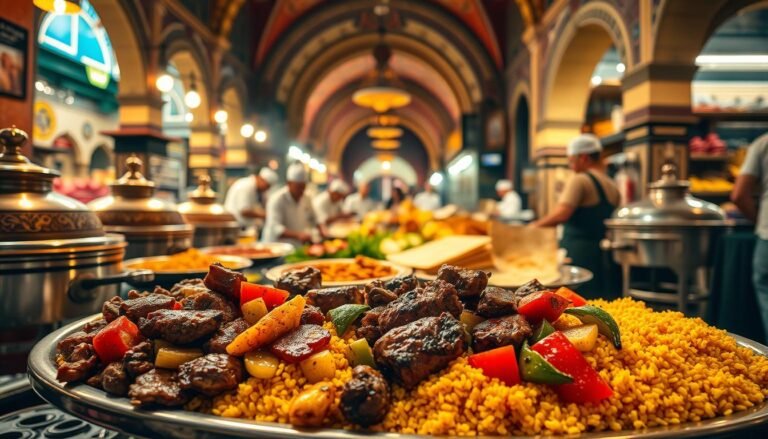
The “couscous with seven vegetables” represents abundance and blessing. Semolina grains are steamed three times—yes, three—to achieve the perfect fluffy texture. These grains are then mounded like a golden pyramid and topped with a rainbow of vegetables: carrots, zucchini, turnips, pumpkin, cabbage, chickpeas, and sometimes fava beans. The vegetables are arranged in sections, creating a beautiful edible mandala. Meat—usually lamb or chicken—nestles within this vegetable garden, and the entire dish is served with a bowl of rich broth on the side.
What makes Aicha’s version special? The vegetables maintain their individual textures and flavors rather than melting into anonymity. Each vegetable is cooked to its perfect doneness, creating a symphony of textures from the soft pumpkin to the al dente carrot.

Bastilla: A Sweet and Savory Masterpiece
Have you ever tasted contradiction? Bastilla challenges everything you thought you knew about flavor boundaries. This intricate pie combines shredded chicken (or traditionally pigeon), scrambled eggs infused with herbs, and crushed almonds scented with orange flower water—all wrapped in paper-thin warqa pastry. The top is dusted with powdered sugar and cinnamon swirls.
The first bite confuses your palate in the most delightful way. Savory chicken, sweet sugar, aromatic spices, and nutty crunch create a flavor explosion that’s impossible to categorize but unforgettable to experience. At Aicha, the bastilla is handled with reverence, each layer prepared separately before assembly, ensuring every component shines.
The Spice Palette of Aicha
Ras el Hanout: The Crown of Spices
What does “top of the shop” mean to you? In Moroccan spice markets, it means ras el hanout—the most premium blend a merchant offers. This isn’t a standardized recipe; it’s a personal signature. Some versions contain twenty spices, others up to thirty. Common threads include cinnamon, cardamom, nutmeg, ginger, turmeric, and paprika, but the exact proportions vary by region and family tradition.
At Aicha, ras el hanout isn’t just thrown into dishes haphazardly. It’s used strategically—to marinate meats overnight, to season vegetable stews, and even sprinkled over finished dishes as a final flourish. The blend’s complexity means it can stand alone as a flavor foundation, reducing the need for multiple individual spices.
Chermoula: The Green Gold
If ras el hanout is the king, chermoula is the queen of Moroccan condiments. This vibrant green paste combines cilantro, parsley, garlic, lemon juice, cumin, paprika, and sometimes saffron. There are red versions too, incorporating tomatoes and harissa for heat. Chermoula serves as marinade, sauce, and finishing condiment all in one.
Picture chermoula as Morocco’s answer to pesto, but with more swagger. It’s bold, unapologetic, and transforms everything it touches. Fish gets slathered with it before grilling. Vegetables are tossed in it before roasting. It’s stirred into soups for brightness. At Aicha, fresh batches are made daily—never refrigerated for days, because that would dull the vibrant flavors.
Street Food vs Restaurant Experience
Jemaa el-Fna: The Open-Air Kitchen
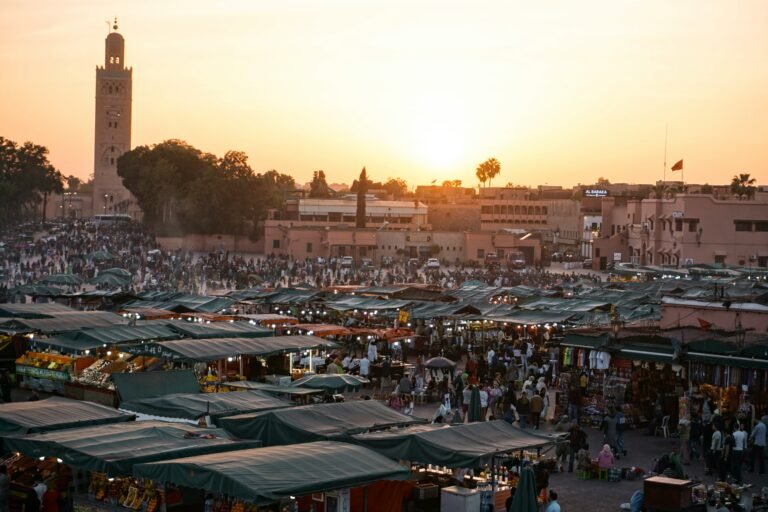
Can a UNESCO World Heritage site be a restaurant? Jemaa el-Fna in Marrakech transforms each evening into the world’s largest open-air kitchen. Over 50 food stalls set up with gas lamps and folding tables, creating a chaotic, magical dining arena. Among them, you’ll find stalls bearing the name Aicha, with numbered signs competing for attention.
The experience is raw and real. You sit at communal benches, negotiate with assertive waiters, and watch your food prepared in front of you. The atmosphere is smoky, noisy, and utterly captivating. Aicha herself might be there, overseeing operations with the authority of a ship captain, ensuring quality while maintaining the frenetic energy that makes this place legendary.
Aicha Restaurant: Intimate Dining Redefined
Now contrast that with the San Francisco location—a cozy, welcoming space where you can actually hear your dining companions. The chaos is replaced with curated calm, but the soul remains intact. Same recipes, same dedication to authenticity, but presented in an environment where you can savor each bite thoughtfully.
This duality represents Moroccan dining culture itself: communal and boisterous for everyday meals, refined and gracious for special occasions. Aicha successfully bridges both worlds, offering the same authentic flavors whether you’re perched on a plastic stool in Marrakech or sitting in a padded booth in California.
The Cultural Significance of Moroccan Cuisine
Food as a Language of Love
In Morocco, saying “I love you” happens through action, not just words. When a mother spends hours preparing couscous, when a host insists you take a third portion, when someone peels an orange for you—these are love letters written in culinary form. Aicha embodies this philosophy. The restaurant staff doesn’t just serve food; they share stories, explain spices, and ensure you feel cared for.
The mint tea ceremony exemplifies this perfectly. It’s not just tea—it’s performance art. The tea is poured from a height, creating a foamy top that signifies respect. The first glass is strong and sweet, like life itself. Refusing a second glass would be akin to rejecting hospitality.
The Friday Couscous Tradition
Why Friday? In Islamic tradition, Friday is the holy day, and after midday prayers, families gather for their most important meal. Couscous is reserved for this day because its preparation demands time—a luxury not available during the work week. The slow steaming process, the careful vegetable arrangement, the communal eating from a single large plate—all these elements reinforce family bonds.
Aicha honors this tradition by featuring couscous prominently on Friday menus, even in locations outside Morocco. It’s a reminder that food isn’t just fuel; it’s ritual, it’s community, it’s identity preserved through weekly practice.

Modern Interpretations at Aicha
Fusion Without Losing Identity
How does traditional cuisine stay relevant in a world obsessed with fusion and innovation? Aicha’s answer is thoughtful evolution rather than revolution. The kitchen experiments with local ingredients available in California—perhaps substituting certain vegetables while maintaining the essential spice profile. The result? Dishes that feel both familiar and exciting.
Consider their approach to dietary restrictions. Traditional Moroccan cuisine is inherently gluten-heavy (bread is utensils) and meat-centric. Aicha has developed creative solutions: gluten-free bread options, vegetarian tagines that don’t feel like afterthoughts, and vegan couscous where vegetables take center stage rather than playing supporting roles.
Vegetarian and Vegan Options
Moroccan cuisine actually offers incredible vegetarian potential—the Berber communities have thrived on plant-based diets for centuries. Aicha taps into this heritage with dishes like zaalouk (smoky eggplant and tomato salad), taktouka (pepper and tomato relish), and lentil soups rich with cumin and herbs. The vegetarian couscous isn’t just the regular version minus the meat; it’s a carefully constructed dish where each vegetable is given star treatment.
Tips for First-Time Visitors
What to Order
Feeling overwhelmed by the menu? Start with the bastilla—it’s a conversation starter and palate awakener. Follow with a shared tagine (the lamb with almonds and prunes if you eat meat). Always order the salad trio to experience the range of Moroccan vegetable preparations. Finish with mint tea and honey-drenched pastries. This progression tells the story of Moroccan cuisine from appetizer to digestif.
Dining Etiquette
Did you know that in traditional Moroccan dining, bread is your fork, knife, and spoon? Tear off a piece of khobz (round flatbread) and use it to scoop up tagine or couscous. When eating from a communal dish, stick to the section in front of you—it’s considered polite. And always accept the mint tea, even if you’re full. It’s not about thirst; it’s about participation in a cultural ritual.
Why Aicha Stands Out in Moroccan Gastronomy
In a world where “authentic” has become a marketing buzzword, Aicha Moroccan cuisine delivers genuine authenticity. The difference is palpable—in the depth of spice flavors that can only come from toasting and grinding fresh, in the texture of couscous that’s been steamed properly rather than boiled, in the balance of sweet and savory that defines sophisticated Moroccan cooking.
The restaurant’s success across different continents proves that great food transcends geography. Whether you’re in the foggy streets of San Francisco or the bustling medina of Marrakech, Aicha offers more than a meal. It offers a portal into Morocco’s soul, served with warmth that makes you feel like you’ve been adopted into a Moroccan family.
Conclusion
Aicha Moroccan cuisine isn’t just about eating—it’s about experiencing centuries of culinary wisdom in every bite. From the slow-cooked tagines that teach patience to the communal couscous that reinforces community, each dish carries meaning beyond sustenance. The spices tell stories of trade routes crossing continents. The techniques preserve generations of knowledge. The hospitality transforms strangers into family.
Whether you’re planning your first Moroccan food adventure or you’re a seasoned tagine enthusiast seeking authentic flavors, Aicha offers a gateway into one of the world’s most sophisticated and soulful cuisines. The next time you crave something more than just dinner, remember that Aicha Moroccan cuisine awaits—not just to feed you, but to welcome you home.
Frequently Asked Questions
Is Moroccan food very spicy?
Moroccan cuisine is aromatic and flavorful rather than overwhelmingly hot. While it uses warming spices like ginger, cumin, and paprika, the heat level is generally moderate. Harissa can be added for those who enjoy more kick, but traditional dishes focus on complexity rather than pure heat.
What should vegetarians order at Aicha?
Vegetarians have excellent options including vegetable tagine with seasonal produce, zaalouk (smoky eggplant salad), taktouka (pepper and tomato dip), lentil soup, and couscous with seven vegetables. These aren’t afterthoughts—they’re traditional dishes Berber communities have enjoyed for centuries.
How is Moroccan mint tea different from regular mint tea?
Moroccan mint tea uses gunpowder green tea as its base, sweetened generously with sugar, and fresh spearmint. It’s poured from a height to create foam, which is considered essential. The preparation is ceremonial, and the flavor is much stronger and sweeter than Western mint teas.
What’s the difference between tagine and couscous?
A tagine is a slow-cooked stew named after its conical cooking pot, while couscous is steamed semolina grains served as a base for stews. Think of tagine as the main dish and couscous as the vehicle for enjoying it—though couscous can also be the main event when topped with vegetables and meat.
Can I find authentic Moroccan ingredients outside Morocco?
Many specialty markets and online retailers now stock preserved lemons, ras el hanout spice blends, and argan oil. However, Aicha sources premium ingredients directly from Morocco, which makes a significant difference in flavor authenticity—like the difference between fresh and dried herbs.