Best Time to Visit Morocco: A Complete Seasonal Guide
Table of Contents
Why Timing Matters When Planning Your Moroccan Adventure
For anyone planning an adventure through Morocco, discovering the best time to visit Morocco is essential to maximizing your experience. When you’re dreaming about exploring the vibrant markets of Marrakech or trekking through the Atlas Mountains, you might not realize that choosing the right time can make all the difference between an extraordinary journey and a frustrating one. Think of timing your Moroccan trip like tuning a musical instrument – you need to hit the right note at the right moment to create harmony.
Morocco is a country blessed with diverse landscapes and a varied climate, which means that different regions shine during different seasons. Whether you’re a beach lover, an adventure seeker, or a cultural enthusiast, understanding Morocco’s seasonal patterns will help you plan a trip that perfectly matches your interests and comfort level.
The truth is, Morocco isn’t just about the desert. It’s a country where Mediterranean coastlines meet mountain peaks, where ancient medinas buzz with life, and where Saharan dunes stretch endlessly across the horizon. Each season brings its own magic, and each region has its ideal visiting window. By the time you finish reading this guide, you’ll know exactly when to book your tickets and pack your bags.
Spring: The Golden Season for Moroccan Exploration
March to May Weather Conditions
Spring is undoubtedly the star of the Moroccan tourism calendar, and for good reason. During March through May, Morocco transforms into a natural paradise with comfortable temperatures that make exploring feel like a breeze. Picture yourself walking through the medinas of Fes or Marrakech without breaking into sweat within five minutes – that’s what spring gives you.
Daytime temperatures during spring range beautifully from 20 to 28 degrees Celsius, which translates to about 68 to 82 degrees Fahrenheit. The evenings cool down pleasantly, meaning you won’t need heavy air conditioning to sleep at night. Most importantly, rainfall is minimal, and the bright sunshine feels warm without being overwhelming. In the mountains, spring is particularly special because you’re likely to witness wildflowers blooming across the landscapes, creating a colorful backdrop for your photographs and memories.
Why Spring Is Perfect for City Exploration
Have you ever noticed how some seasons just feel right for traveling? Spring is that season for Morocco. The imperial cities like Fes, Meknes, and Marrakech are absolutely phenomenal during this period. You can spend hours wandering through the intricate alleyways of the medinas without feeling exhausted by heat or cold. The local population is more active, markets are bustling, and the energy throughout the cities feels authentic and vibrant.
The weather also allows you to explore without worrying excessively about sun protection. While sunscreen is still essential, you don’t need to hide in cafes from 11 AM to 4 PM like you would during summer. You can visit the beautiful palaces, museums, and gardens at your own pace, absorbing the rich cultural heritage that Morocco has to offer. Spring also means that local festivals and celebrations are in full swing, so you’ll get a genuine taste of Moroccan culture at its liveliest.
Spring Activities You Can’t Miss
During spring, the Atlas Mountains become a hiker’s paradise. The trails are dry, the weather is stable, and the views are magnificent without the summer crowds pushing you along. Camel trekking in the Sahara becomes increasingly comfortable as you move from March toward May, with temperatures dropping to more manageable levels for multi-day excursions.
Beach enthusiasts will find spring to be an excellent time to visit coastal towns like Essaouira or Agadir. While the water might still be a bit cool for swimming, the sunny days are perfect for beach walks and experiencing the local seafood culture. If you’re interested in surfing, spring brings ideal conditions to various spots along the Atlantic coast.
Autumn: Experience Morocco’s Hidden Charm
September to November Climate Overview
If spring is Morocco’s popular favorite, autumn is its sophisticated older sibling that seasoned travelers absolutely adore. September through November represents a sweet spot that many casual tourists overlook, which actually works in your favor. Temperatures range from 20 to 30 degrees Celsius during the day, cooling down to pleasant levels in the evening. The humidity is lower than summer, and the rains haven’t yet become a regular occurrence.
September is technically still warm, especially in the desert regions and southern cities, but by October and November, the temperatures have mellowed to absolutely perfect ranges. You’ll experience sunny, crisp days that seem almost made for exploration. The transition from summer heat to autumn mildness is gradual, which means you’re not shocked by sudden temperature changes that can happen when moving between seasons elsewhere.
The Best Kept Secret of Moroccan Tourism
Here’s what makes autumn special: fewer tourists and lower prices. While spring has become increasingly crowded and expensive, autumn still maintains some of the magic without the overwhelming crowds. Hotels offer better rates, restaurants aren’t packed with tour groups, and you have actual space to breathe in the medinas.
This also means you get a more authentic experience of Moroccan life. You’ll interact with locals who aren’t focused entirely on tourist transactions. Shop owners have more time to chat, guides can provide more personalized attention, and the entire experience feels less like you’re moving through a machine and more like you’re genuinely exploring a country.
Autumn Adventures Worth Planning
Autumn is absolutely superb for hiking in the Atlas Mountains. The summer heat has passed, but the trails are still well-maintained and dry. The cooler temperatures mean you can trek longer distances without exhausting yourself. For Sahara Desert enthusiasts, October and November offer ideal conditions – warm enough to be comfortable during the day, but cool enough for pleasant evenings around the campfire.
Water sports enthusiasts should note that September through November is peak season for surfing along Morocco’s Atlantic coast. The winds pick up, the swells arrive, and beaches like Taghazout become paradise for board riders of all skill levels. If you’re into kitesurfing, these months offer excellent conditions with reliable winds.
Summer in Morocco: Is It Worth the Heat?
Understanding June to August Challenges
Let’s be honest: summer in Morocco is hot. Extremely hot. In the interior cities like Marrakech and Fes, temperatures regularly exceed 38 degrees Celsius, which is about 100 degrees Fahrenheit. In the Sahara Desert, temperatures can soar well above 40 degrees Celsius, sometimes approaching 50. This isn’t just warm weather – this is intense, unforgiving heat that can make outdoor activities challenging and potentially dangerous if you’re not properly prepared.
The excessive heat during summer also means that many desert camps and adventure companies actually close down during June, July, and August. Tour operators recognize that conditions are simply too extreme for comfortable experiences, and they know that their equipment and facilities can’t handle the stress. This creates a chicken-and-egg problem: fewer tourism services mean fewer reasons to visit during summer.
Coastal Escapes During Summer Months
However – and this is important – the coastal regions tell a different story. The Atlantic coast, particularly around Essaouira and Agadir, experiences much more moderate temperatures during summer because of cooling ocean breezes and coastal fog. While inland Marrakech might be sweltering at 40 degrees, Essaouira could be a comfortable 27 degrees. This significant temperature difference makes coastal towns your salvation if you’re traveling to Morocco during summer months.
The Mediterranean coast also provides relief compared to inland areas, though it’s generally hotter than the Atlantic side. If you’re committed to visiting Morocco during summer, your strategy should be clear: plan your itinerary around coastal locations and save the desert and interior cities for spring or autumn visits. Swimming becomes actually enjoyable during summer, unlike spring when the water is quite chilly.
Summer Festival Opportunities
Summer does offer one significant advantage: festivals and cultural events. Various music and arts festivals happen throughout the summer months, particularly June through September. These events can be worth experiencing if you’re interested in contemporary Moroccan culture and music. You’ll get to see how modern Morocco celebrates its heritage, which is quite different from the historical aspects you explore during regular tourism.
Winter Visiting: A Surprising Gem
December to February Conditions
Winter in Morocco is surprisingly pleasant, especially if you’re coming from a region with harsh winters. While northern Europe and North America are experiencing freezing temperatures and snow, Morocco maintains relatively mild conditions. Coastal regions like Marrakech and Agadir experience average daytime temperatures around 18 to 22 degrees Celsius, which is pleasantly warm for wandering around without heavy clothing.
The misunderstanding about Moroccan winters comes from thinking that Africa must always be hot. In reality, Morocco’s latitude and altitude create variations. Yes, the high mountains get snow, but in the cities and lower elevations, winters are more about cool, crisp days rather than bitter cold. Rain becomes more frequent during winter, particularly from November through February, but this doesn’t mean constant rainfall – it means occasional showers interspersed with sunny days.
Winter Attractions and Advantages
Winter is absolutely wonderful for budget travelers and those seeking a more authentic experience. Hotel prices drop significantly, and accommodation that costs $150 per night in spring might be available for $60 in January. This price differential is substantial, especially if you’re planning an extended trip.
Culturally, winter is an excellent time to immerse yourself in local life. Fewer tourists means you’re not disrupting the normal flow of everyday activities. You can sit in a traditional cafe, sip mint tea, and genuinely interact with locals without feeling like you’re part of a zoo. Many travelers find this authentic experience more valuable than the perfect weather of spring.
Desert Experiences in Winter
While July is impossible for desert camping due to extreme heat, winter actually becomes possible and even enjoyable. October through February represents ideal Sahara Desert conditions, with the exception of January and February bringing occasional sandstorms. The desert is manageable, and the cool nights mean you’ll actually enjoy the campfire experience rather than simply enduring it.
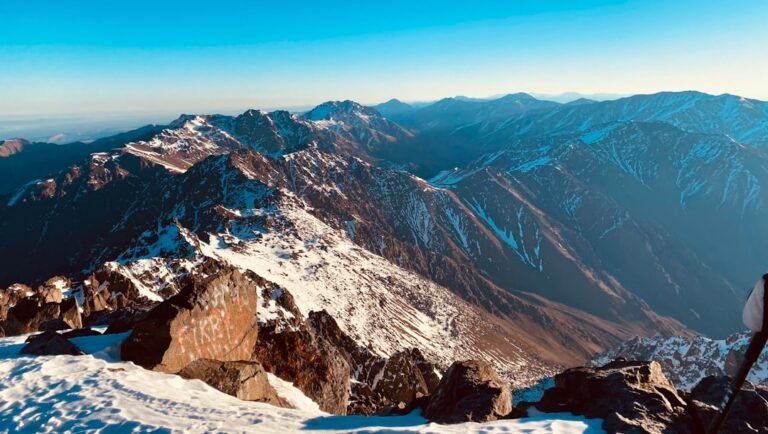
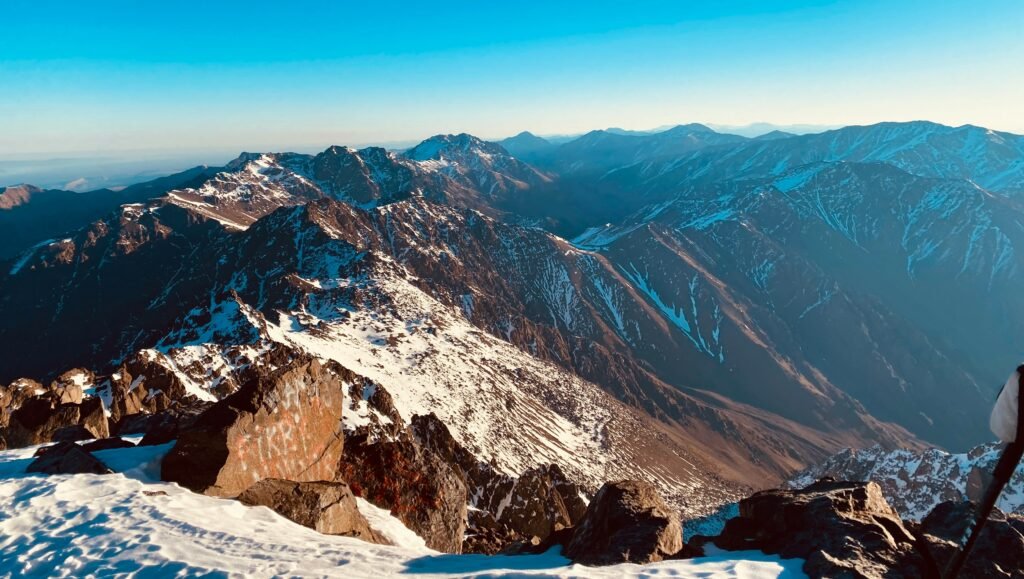
Winter also brings snow to the High Atlas Mountains, which creates stunning photographic opportunities. Mount Toubkal, Africa’s highest peak, becomes a challenging but achievable hiking destination during winter months. If you’re an experienced mountaineer or serious trekker, winter can offer unique experiences unavailable during summer.
Regional Timing Considerations Across Morocco
Visiting Marrakech and the Imperial Cities
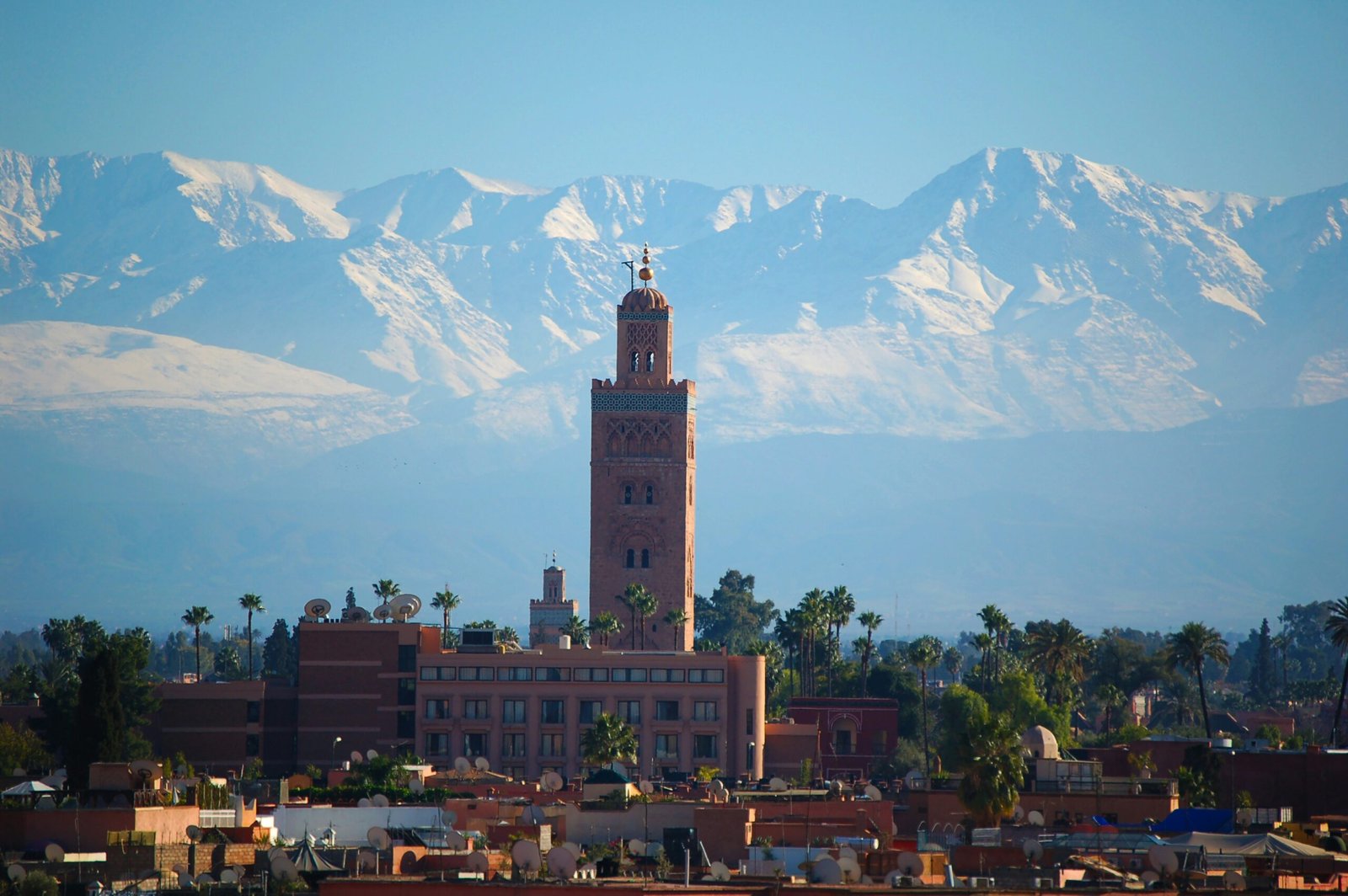
Marrakech, Fes, and Meknes – Morocco’s imperial cities – are best explored during spring and autumn. These ancient medinas with their narrow alleyways, bustling souks, and historic palaces are absolutely enchanting when temperatures are moderate. If you must visit during winter, you’ll enjoy fewer crowds and better prices, though some days might require a light jacket. Summer is genuinely challenging in these cities, and many travelers find themselves spending disproportionate time in air-conditioned hotels rather than exploring.
Sahara Desert Timing
The Sahara demands careful seasonal planning. October, November, February, and early March represent the sweet spot. December and January bring occasional sandstorms but are still viable. May through September is essentially off-limits for most travelers due to extreme heat. If Sahara Desert exploration is central to your trip, absolutely prioritize autumn or late winter/early spring.
Coastal and Beach Exploration
Essaouira and other Atlantic coastal towns are genuinely pleasant year-round, though May through October represents the peak season. Summer brings crowds and higher prices, while winter offers fewer tourists and lower rates. The Atlantic coast water remains cool even in summer, so actual swimming isn’t comfortable until July and August, which is also when it’s most crowded.
Budget Considerations for Different Seasons
Peak Season Pricing
Spring and autumn command premium prices across Morocco. Hotel rooms, tours, and travel packages all increase significantly during these ideal weather periods. If you’re traveling on a tight budget, expect to pay 30 to 50 percent more during spring and autumn compared to winter or summer.
Off-Season Advantages
Winter offers the best value for budget-conscious travelers. Accommodation prices drop, tour operators offer discounts, and you’ll find fewer crowds. January and February are particularly budget-friendly, though you’ll experience more rain and need to plan around occasional poor weather days. Summer, while expensive in coastal areas, is actually cheaper inland if you’re willing to tolerate the heat.
Mid-Season Balance
Late February through early March offers a balance between acceptable prices and improving weather. Similarly, late November and early December provide moderate pricing with generally pleasant conditions. These periods are less crowded than peak season but more expensive than true off-season months.
Conclusion
Choosing when to visit Morocco ultimately depends on your priorities, budget, and interests. If you crave comfortable temperatures, vibrant weather, and are willing to pay premium prices and accept crowds, spring and autumn are your ideal seasons. If budget trumps all other considerations, winter offers exceptional value and surprisingly pleasant conditions, particularly along the coast. Summer is generally worth avoiding unless coastal beaches are your only interest, or you’re specifically pursuing summer festivals.
Morocco is a country of contradictions and varied landscapes, which means it genuinely offers something worthwhile in every season. There’s no truly “bad” time to visit – only times that are better or worse depending on what you want to experience. The best time to visit Morocco is whenever you can actually make the trip happen, because this captivating country will reward you regardless of the season you choose.
Frequently Asked Questions About Visiting Morocco
Q1: What is the absolute best month to visit Morocco?
The absolute best month depends on your preferences, but April, May, October, and November consistently rank as ideal months. April and May offer peak spring conditions with comfortable temperatures and blooming landscapes. October and November provide autumn’s pleasant weather with fewer crowds than spring. If you want one single month, May is often considered the pinnacle – it has everything spring offers without the potential for occasional cold snaps in March.
Q2: Is it safe to travel to Morocco during winter months?
Yes, winter travel is entirely safe from a weather and security perspective. While rain is more frequent, it rarely prevents travel – you might experience occasional rainy days, but you won’t face continuous storms. Regarding safety, Morocco is a stable tourist destination year-round. Winter actually sees fewer crowds, meaning more relaxed interactions with locals and less stress from tourism infrastructure being overwhelmed.
Q3: Can I visit the Sahara Desert in summer, or is it truly impossible?
While technically possible, summer Sahara visits are genuinely inadvisable. Temperatures regularly exceed 45 degrees Celsius, which creates real health risks like heat stroke and dehydration. Most tour operators close their desert camps from June through August, so availability is limited. If you’re set on desert exploration, postpone your trip to October through April for a vastly better experience.
Q4: What should I pack if I visit Morocco during different seasons?
For spring and autumn: lightweight, breathable clothing, comfortable walking shoes, sunscreen, and a light sweater for cooler evenings. For summer: extremely lightweight, loose-fitting clothes, sunglasses, a wide-brimmed hat, and high-SPF sunscreen. For winter: layers including a light jacket, comfortable shoes suitable for occasional rain, and an umbrella or light rain jacket. In all seasons, consider modest clothing that respects local culture, especially in conservative areas.
Q5: How should I adjust my itinerary based on seasonal considerations?
In spring and autumn, you can tackle ambitious itineraries including mountain hiking, desert camping, and extensive city exploration. In summer, focus on coastal areas and reduce physical exertion during peak heat hours. In winter, coastal regions and cities work well, but be flexible with mountain activities due to potential snow or rain. Essentially, let the season guide your activity selection rather than forcing the same itinerary regardless of conditions.