Hiking in Atlas Mountains: 5 Hidden Gems You’ll Love
There’s a moment, high on a trail while hiking in Atlas Mountains, where the world falls away. The only sounds are your breath and the crunch of earth underfoot. You feel a deep connection to the land and the people who call it home.
This feeling is the heart of exploring the Atlas Mountain range. This vast system stretches over 1,200 miles across North Africa. It offers more than just a physical challenge. It’s a journey into a landscape of dramatic contrasts.
This guide is for travelers who seek paths less traveled. We will uncover five spectacular hidden gems. These routes promise authentic adventures away from the crowds. You will discover lush valleys and rugged peaks.
Our goal is to prepare you for an unforgettable trip. We’ll provide essential tips for planning your journey. You’ll learn about the unique culture of this region. Get ready to explore a world of stunning beauty.
Key Takeaways
- The Atlas Mountains span three countries and offer diverse terrain.
- Adventures here combine natural beauty with rich cultural experiences.
- This guide focuses on lesser-known, authentic routes.
- It serves as a comprehensive planning resource for your trip.
- The area is known for its dramatic and breathtaking landscapes.
- Many trails are accessible from major cities like Marrakech.
- Proper preparation enhances safety and enjoyment.
Discovering the Atlas Mountains: A Hiking Adventure
Across the vast expanse of North Africa, the Atlas system unfolds with breathtaking geological diversity. This impressive mountain range stretches over 1,200 miles, creating a natural barrier between the Mediterranean coast and the Sahara Desert.
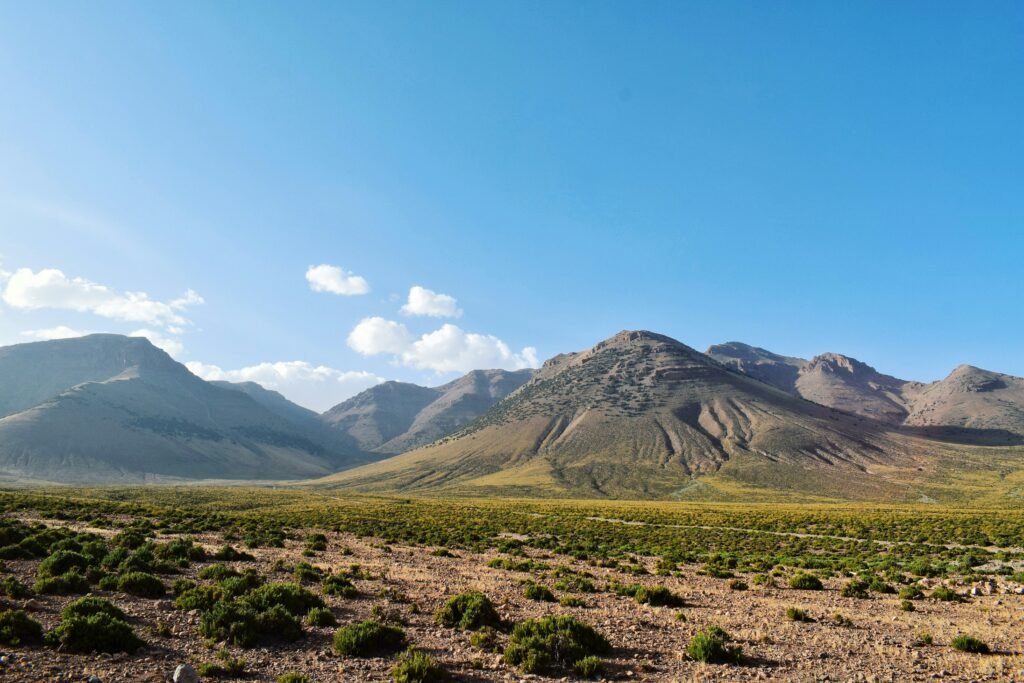
The High Atlas forms the most extensive section of this system. Its granite and sandstone peaks were forged over hundreds of millions of years. This creates stunning visual contrasts across the landscape.
Local Amazigh communities call the High Atlas “Idraren Draren,” meaning “the mountains of mountains.” This name reflects the historical significance of these peaks. People once believed they were the world’s largest mountains.
The geographical positioning creates unique microclimates. The Sahara Desert to the south influences weather patterns dramatically. Diverse ecosystems thrive within relatively short distances.
Despite their rugged nature, these areas remain accessible from major cities. They maintain an authentic atmosphere far from urban centers. The High Atlas offers North Africa’s most impressive peaks for rewarding trekking.
The contrast between northern peaks and southern desert creates unique experiences. Each region offers distinct terrain and cultural encounters. This diversity makes exploration continually rewarding.
Why Hiking in Atlas Mountains is a Must-Do Experience
Just forty miles from Marrakech’s chaotic energy lies a world where time moves to the rhythm of mountain streams and village life. The transition feels immediate yet profound, trading bustling souks for peaceful valleys where the only sounds are flowing water and distant goat bells.
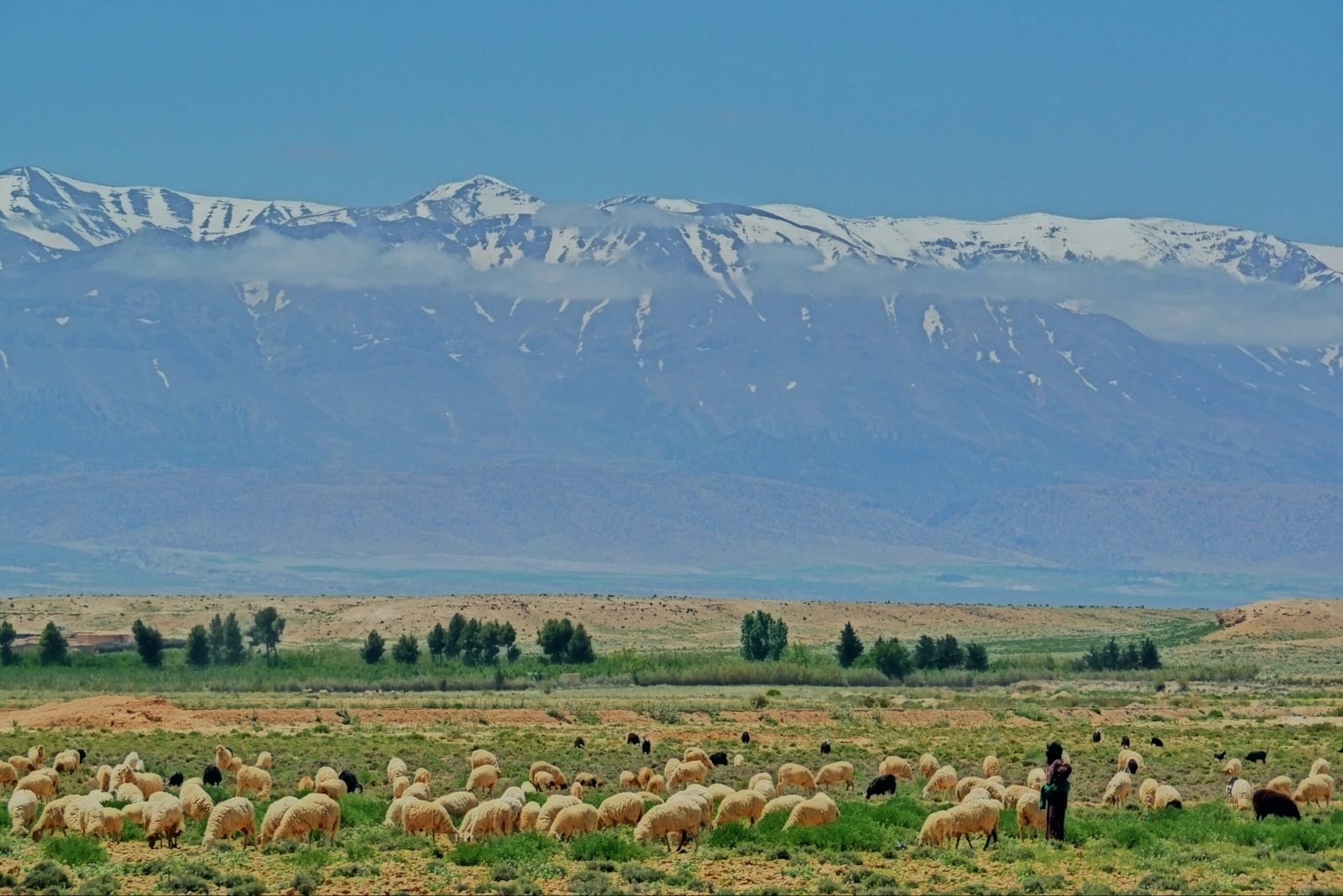
This trekking adventure offers a truly transformative experience. The physical challenge rewards you with spectacular panoramic views of snow-capped peaks and lush green valleys. Every ascent reveals new perspectives of the dramatic landscape.

The cultural immersion sets this journey apart. You’ll encounter Amazigh communities living traditional lifestyles unchanged for generations. This authentic connection provides deep insight into mountain culture and daily rhythms.
Routes accommodate all fitness levels, from gentle valley walks to challenging summit attempts. The area offers year-round opportunities with distinct seasonal charms. This experience combines physical adventure with meaningful cultural understanding.
Exploring the Hidden Gems of the Atlas Range
Beyond the popular routes, a world of undiscovered beauty awaits the curious explorer. Few travelers venture past the main attractions, missing out on authentic experiences.
The Ait Bougmez Valley in the Central High Atlas offers lush pastures and welcoming communities. This area receives far fewer visitors than crowded peaks.
Nearby, the M’goun Massif stands as Morocco’s second-highest summit. It sees only 25% of the traffic that Toubkal attracts.
The Three Valleys trek connects diverse landscapes through traditional villages. Each valley presents unique scenery and cultural encounters.
| Destination | Region | Key Feature | Visitor Traffic |
|---|---|---|---|
| Ait Bougmez Valley | Central High Atlas | Lush pastures | Low |
| M’goun Massif | High Atlas | Second-highest peak | 25% of Toubkal |
| Three Valleys | High Atlas | Cultural diversity | Moderate |
| Todgha Gorge | Anti-Atlas | Limestone canyons | Low |
These alternative routes provide spectacular scenery with genuine cultural interactions. They showcase the full diversity of this magnificent range.
Wildlife viewing opportunities are better on these lesser-known trails. You might encounter traditional nomadic lifestyles unchanged for generations.
Mount Toubkal: North Africa’s Highest Peak
The challenge of conquering North Africa’s rooftop begins in the small village of Imlil, where adventurers have gathered since 1937. This majestic highest peak stands at 13,665 feet, offering one of the continent’s most rewarding ascents.
Trek Overview and Challenges
The standard route to Mount Toubkal spans two full days of trekking. Day one involves approximately 5.5 hours from Imlil to the Neltner Refuge basecamp at 10,521 feet elevation.
This journey requires good fitness but not mountaineering expertise during summer months. Mules carry supplies, making the physical demands more manageable for most travelers.
Summit Safety and Scenic Views
Day two begins before sunrise for the final push to the peak. The reward is breathtaking panoramic views stretching across the entire range to the distant Sahara.
From May to October, standard trekking conditions prevail. Winter months require specialized equipment for snow and ice fields. Proper acclimatization and guide support are essential for safety.
Advanced adventurers can attempt the entire ascent and descent in one extremely challenging day. Most visitors spend about 30 minutes at the summit before beginning their return journey.
Imlil and the Little Chamonix Experience
The scent of freshly baked flatbread welcomes you to Imlil, a vibrant mountain village that serves as the gateway to North Africa’s highest peaks. This special place earned its nickname “Little Chamonix” from French visitors who recognized similarities to the famous Alpine resort.
Located about 40 miles from Marrakech, this strategic village sits at the base of Toubkal within the National Park boundaries. The journey takes about two hours, offering a world away from city chaos.
Local Culture and Village Life
Daily life here revolves around traditional rhythms. Pack-laden mules navigate narrow streets while schoolchildren walk to class. Shops display fresh mint and thyme, filling the air with earthy aromas.
The village atmosphere blends authentic culture with modern trekking services. You can enjoy Moroccan tea with Berber families on roof terraces before beginning your journey. This cultural immersion enriches the entire experience.
Travel Logistics and Starting Points
Imlil has become the primary starting point for mountain adventures. Visitors arrange guides and mule transportation here. Accommodation ranges from budget guesthouses to upmarket properties like Kasbah du Toubkal.
Equipment rental shops cater to travelers who need to pack light. They offer sleeping bags, trekking gear, and winter equipment. The village provides all necessary services for a comfortable stay.
Despite its peaceful setting, Imlil offers diverse outdoor activities year-round. From winter skiing to rock climbing, this village serves as the perfect base for exploring the surrounding landscapes.
Family-Style Treks: Cultural Immersion in Berber Villages
Forget summit goals; the most profound adventures here unfold over five days of living alongside local families. The Berber Villages trek prioritizes authentic community interaction over peak achievements.
Indigenous Amazigh people have inhabited these villages for centuries, predating Arab influence. Settlement sizes range from 5 to 100 families sustaining through farming and tourism.
Many communities lack electricity, with village life continuing traditional rhythms. Families wash clothes in streams and collect water from wells.
Accommodation in local gites features simple earth construction with spectacular valley views. Narrow winding streets lead to family homes where visitors share mint tea.
During these days, you participate in morning routines like milking animals and bread-making. The experience offers deep insight into Berber traditions and daily life.
Each night brings new connections despite language barriers. The trek focuses on diverse environments from walnut forests to colorful mineral valleys.
This journey works year-round with comfortable walking hours. It perfectly suits those seeking meaningful culture encounters beyond physical challenges.
Planning Your Atlas Mountain Trek: Essential Tips
Successful exploration begins with thoughtful preparation that matches your ambitions to the terrain’s demands. Your travel plans should account for the specific challenges of high-altitude environments.
Route Recommendations and Timing
Journeys range from single-day excursions to extended 16-day expeditions. Most visitors choose 1-4 day treks to complement broader Morocco itineraries.
Daily walking times typically span 5-7 hours, adjusted for group fitness. One-day trips depart Marrakech at 9am, returning by 6pm. These often include market visits and cultural stops.
| Trek Duration | Daily Hours | Best For | Accommodation |
|---|---|---|---|
| 1 day | 5-6 hours | Time-limited travelers | Day trip only |
| 2-3 days | 6-7 hours | Summit attempts | Refuges |
| 4+ days | 5-6 hours | Cultural immersion | Village guesthouses |
Managing Altitude and Weather Considerations
Spend initial days at lower elevations for proper acclimatization. This simple strategy helps prevent altitude sickness.
Seasonal variations significantly impact your experience. Summer allows camping near villages, while winter requires indoor accommodations due to cold winds. Local guides provide essential expertise for weather-related decisions.
Equipment rental shops in Imlil offer gear for light packers. Realistic route selection based on fitness and goals ensures a rewarding adventure.
Packing and Preparation: Gear Up for Your Adventure
The right equipment makes all the difference when facing the variable conditions of high-altitude terrain. Proper preparation ensures comfort and safety throughout your journey.
Essential items form the foundation of any successful mountain adventure. Your packing list should cover basic needs while allowing for unexpected weather changes.
| Category | Essential Items | Seasonal Notes |
|---|---|---|
| Footwear | Ankle-support boots | Break in before your trek |
| Clothing | Layered system | Adapts to temperature shifts |
| Protection | Sunscreen, hat, glasses | High-altitude exposure |
| Safety | First aid kit, medications | Remote area preparedness |
There is no such thing as bad weather, only unsuitable clothing.
Winter hiking demands specialized gear from November through April. Snow and ice require crampons and ice axes for safe passage. Additional insulation layers become essential during this season.
Equipment rental shops in Imlil offer solutions for light packers. While personal gear provides ideal fit, quality rentals make the experience accessible. Mules carry main supplies, letting you hike with just day packs.
Respect local culture when selecting clothing. Conservative villages appreciate modest attire, particularly for women travelers. This consideration enhances cultural connections during your visit.
Navigating the Trails: Insights from Local Guides
Local expertise transforms a simple trek into a profound cultural journey through ancient landscapes. Certified guides from mountain villages bring generations of knowledge to every adventure.
Many professional guides begin their careers as assistants, gradually earning certification through rigorous training. The author himself started as a second guide in 2008 before becoming fully certified in 2012.
Since 2018, guides became mandatory in the Toubkal region following safety concerns. While enforcement has relaxed post-COVID, professional guidance remains essential for navigation and cultural interpretation.
These experts optimize routes based on group abilities and weather conditions. They bridge language barriers in remote villages and ensure safe passage through changing terrain.
| Guide Type | Specialization | Key Services | Best For |
|---|---|---|---|
| Mountain Guide | Technical routes | Safety management, navigation | Summit attempts |
| Cultural Guide | Village immersion | Language translation, traditions | Family-style treks |
| Multi-Skilled Guide | Seasonal activities | Skiing, diverse terrain | Year-round adventures |
Local guides facilitate authentic encounters that independent travelers might miss. They arrange visits to family homes and share insights into Amazigh traditions.
This experience goes beyond simple navigation. It represents the best way to connect deeply with the region’s culture and people.
Seasonal Considerations for a Successful Trek
Timing your adventure correctly transforms a good trek into an unforgettable experience. Each season offers distinct advantages for different preferences and goals.
Spring (April-June) and autumn (September-November) provide the most comfortable conditions. These months feature mild temperatures and stable weather patterns.
Spring brings vibrant wildflower blooms and melted snow at lower elevations. Temperatures around 20°C create ideal conditions for extended walking time.
Autumn offers stunning fall foliage and excellent visibility. The stable weather during this time makes it perfect for mountain photography.
| Season | Months | Conditions | Best For |
|---|---|---|---|
| Spring | April-June | Mild temps, wildflowers | Valley exploration |
| Summer | July-August | Hot valleys, cool peaks | High-altitude routes |
| Autumn | September-November | Stable weather, fall colors | Photography treks |
| Winter | December-February | Snow, cold, short days | Experienced adventurers |
Summer brings hot conditions in lower valleys but pleasant temperatures at higher elevations. Winter requires specialized gear for snow and ice.
Remember that the mountains can be 15°C cooler than Marrakech. Daylight hours vary significantly by season, affecting your daily trekking time.
Each season presents unique opportunities. With proper preparation, you can enjoy rewarding adventures year-round.
Local Cuisine and Unique Accommodations in the Atlas Region
After a long day on the trails, nothing compares to the comfort of traditional accommodations and the flavors of home-cooked Moroccan cuisine. The region offers diverse lodging options that enhance your cultural experience.
Accommodation ranges from basic mountain refuges to comfortable village guesthouses. Each option provides unique perspectives on local life.
| Accommodation Type | Key Features | Best For | Atmosphere |
|---|---|---|---|
| Mountain Refuges | Basic shelter, shared facilities | Summit attempts | Adventurous |
| Village Gites | Traditional construction, terraces | Cultural immersion | Authentic |
| Eco-Lodges | Luxury amenities, stunning views | Comfort seekers | Upscale rustic |
Traditional gites feature simple earth and stone construction with roof terraces. These spaces offer spectacular valley views perfect for relaxation. Many guesthouses sit in picturesque villages throughout the region.
For upmarket options, Kasbah du Toubkal stands out as a premier choice. This eco-lodge was converted from a local chief’s residence. Azzaden Trekking Lodge provides panoramic views above Ait Aissa village. Both offer comfortable amenities for multi-day stays.
Culinary highlights begin with traditional mint tea ceremonies. Local families prepare aromatic tajines and spiced lentil stews. Fresh salads feature homegrown vegetables alongside pillowy flatbreads.
Al fresco lunches become memorable trip highlights. Guides like Mohammad Ait Idan prepare campfire-cooked meals. These experiences showcase authentic cooking methods in scenic settings.
Additional comforts include traditional hammam steam baths available in villages. Weekly markets offer local specialties like sfenj doughnuts. Each meal tells a story of regional traditions and hospitality.
Day Trips and Extended Excursions: Tailoring Your Itinerary
Your journey can be perfectly shaped to fit your schedule, whether you have a single day or several days to explore. From Marrakech, a full day trip typically runs from 9am to 6pm. These excursions often include visits to vibrant weekly markets.
On Tuesdays and Saturdays, you can witness locals trading animals, crops, and goods. Stops at women’s cooperatives offer unique handicrafts. For an independent adventure, the Ouzoud Waterfalls feature well-marked trails.
A popular multi-day route is the Three Valleys trek. It connects Imnan Valley, Azzaden Valley, and Ait Mizane Valley. Day One reaches Tizi n’Tamatert Pass for lunch with stunning views.
Day Two involves 6-7 hours of travel, passing through villages like Ikkis and Aguersiwal. Day Three visits Toubkal National Park’s largest waterfalls. It also crosses the Tizi Mzik Pass.
At 2,438 meters, the Tizi Mzik Pass has a stone cabin selling refreshments. This is a welcome stop along way. The route along way showcases ancient juniper forests and the 55-meter Tamsoult waterfall.
This flexibility allows all hikers to find a trip that matches their pace. Shorter trips are great for a condensed experience. Longer journeys allow for deeper cultural connections along way.
Conclusion
From the highest peak of Mount Toubkal to the quiet valleys of the M’goun Massif, North Africa’s premier mountain range offers unforgettable journeys. This region provides more than just physical challenges. It delivers deep cultural connections with Amazigh communities.
Each trail reveals a new side of this spectacular range. The Berber Villages trek and Three Valleys circuit showcase diverse landscapes. These paths offer authentic experiences beyond the popular summit routes.
Successful treks depend on practical planning. Hiring local guides ensures safety and richer cultural insights. Choosing the right season matches your adventure to ideal conditions.
This region remains accessible from Marrakech while preserving its authentic character. It stands as a must-do for any travel itinerary. The High Atlas invites you to discover its hidden gems.
Your adventure through this majestic mountain range awaits. Embrace the transformative power of exploration. Let these ancient landscapes become part of your story.
FAQ
What is the best time of year for a trek in the High Atlas?
The ideal seasons are late spring (May-June) and early autumn (September-October). During these months, the weather is generally stable, with warm days and cool nights. Trails are clear of snow, and the valleys are lush. Summer can be very hot, while winter brings significant snow, making the ascent of peaks like Jebel Toubkal a serious mountaineering endeavor.
Do I need a guide to explore the Atlas range?
While some day hikes from villages like Imlil can be done independently, hiring a local guide is highly recommended for multi-day treks and summiting Mount Toubkal. Guides provide invaluable knowledge of the route, ensure safety in changing conditions, and offer cultural insights into Berber village life that greatly enrich the experience.
How difficult is the climb to the summit of Mount Toubkal?
The ascent to North Africa’s highest peak is a challenging but non-technical hike. It requires a good level of fitness and proper acclimatization to the altitude. The standard route involves a long, steep day, often starting before dawn. The challenge is primarily physical endurance rather than technical climbing skills.
What kind of accommodation can I expect on a multi-day trip?
Accommodation varies from basic guesthouses in villages, known as gîtes, to comfortable mountain refuges. In the valleys, you might stay in family-run homes, offering a genuine cultural immersion. The refuges, like the one at the base of Toubkal, provide dormitory-style lodging and meals.
What essential gear should I pack for my adventure?
A> Essential items include sturdy broken-in boots, layered clothing for temperature shifts, a warm jacket for nights, a daypack, a headlamp, a reusable water bottle, and sun protection (hat, sunglasses, sunscreen). For winter excursions or high passes like the Tizi n’Mzik, crampons and an ice axe may be necessary.
Can families with children enjoy treks in this region?
Absolutely. There are many family-friendly trails that explore the lower valleys, visiting Berber villages without significant altitude gain. These journeys offer a gentle pace, incredible views, and opportunities for cultural interaction, making them perfect for a shared adventure.
What unique cultural experiences can I have along the way?
Travelers often enjoy sharing mint tea with local families, learning about traditional life in remote settlements, and tasting authentic Moroccan cuisine like tagine. The journey through the valleys is as much a cultural exploration as it is a physical one.